


Freedom of Expression: Representative Government
Suggested Teaching Instructions
Introduction:
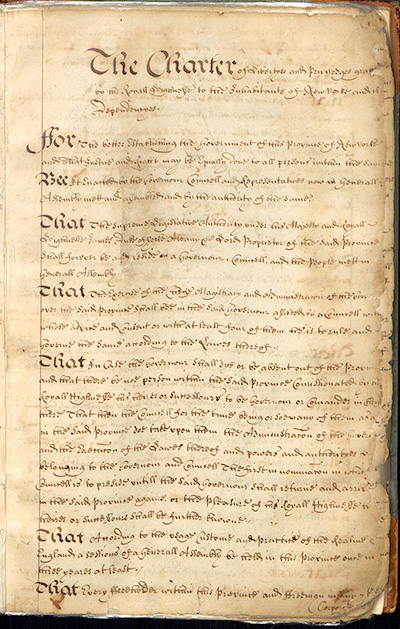
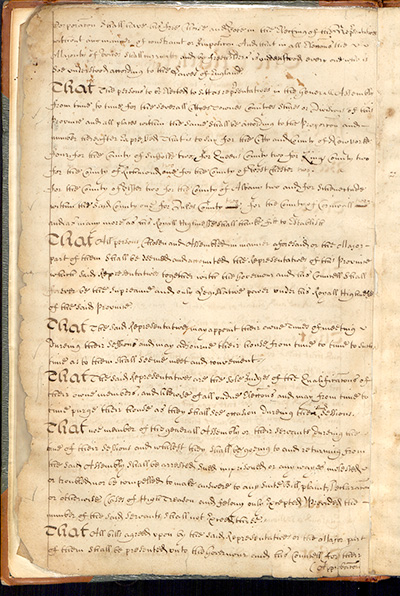
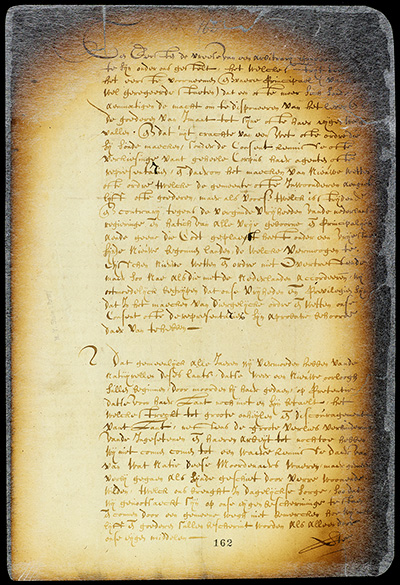
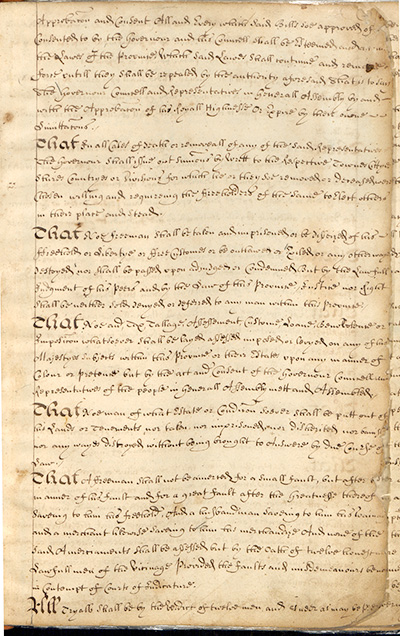
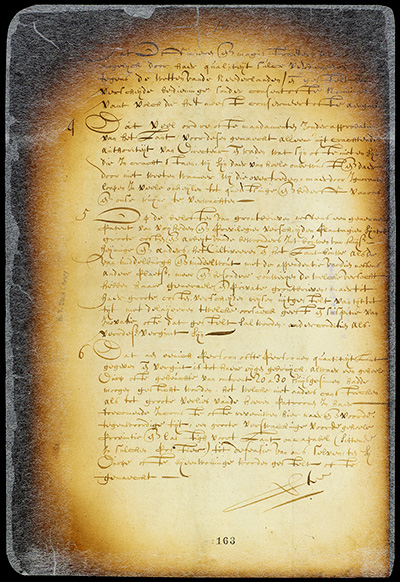
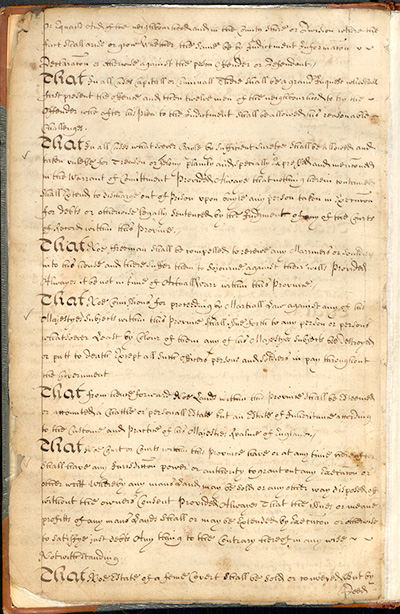
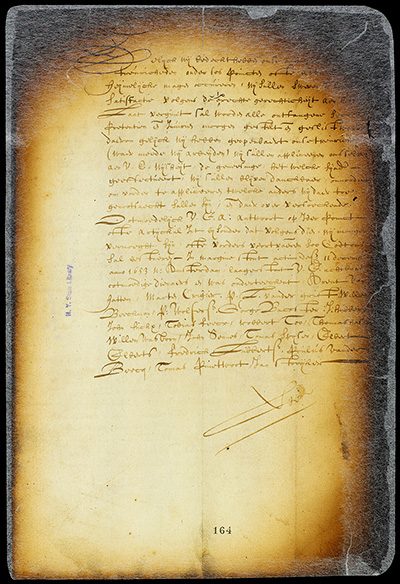
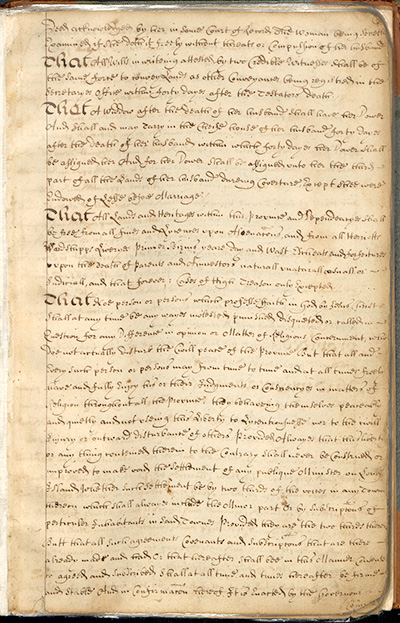
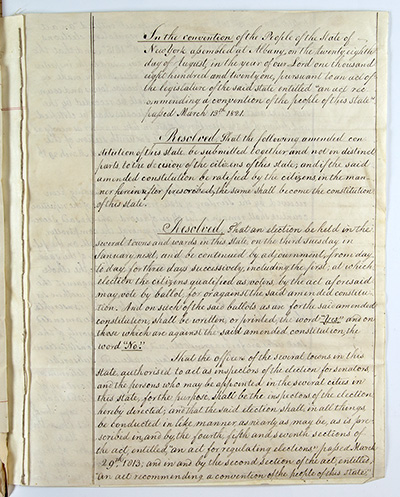
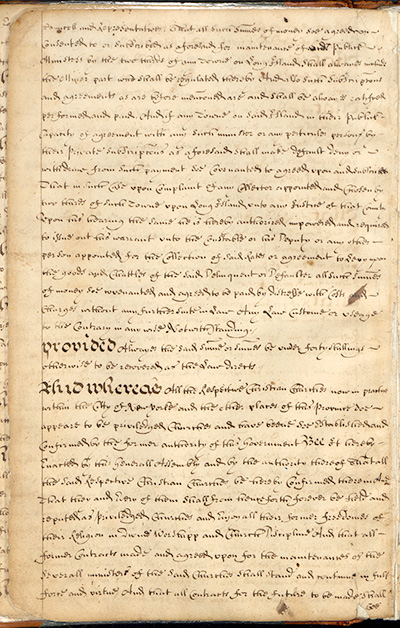
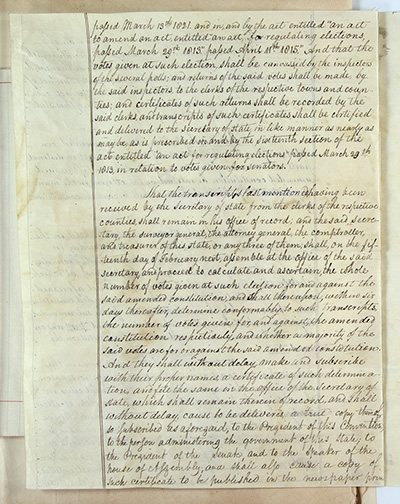
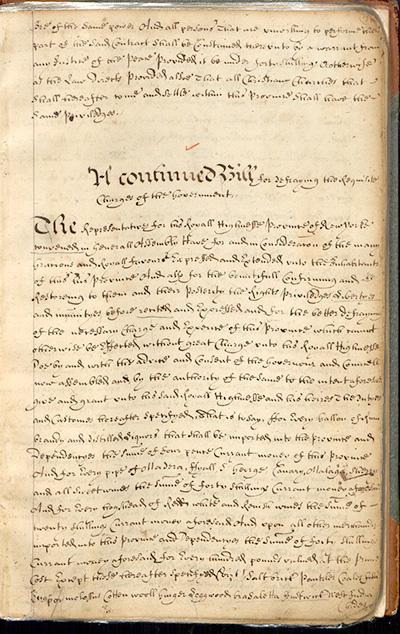
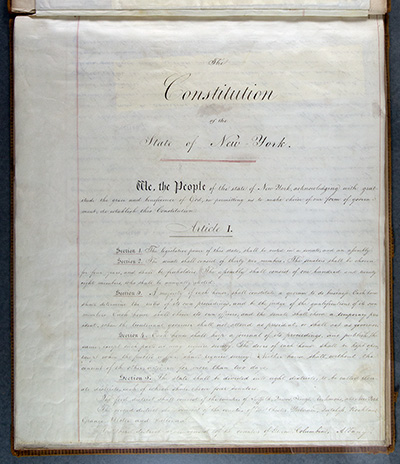
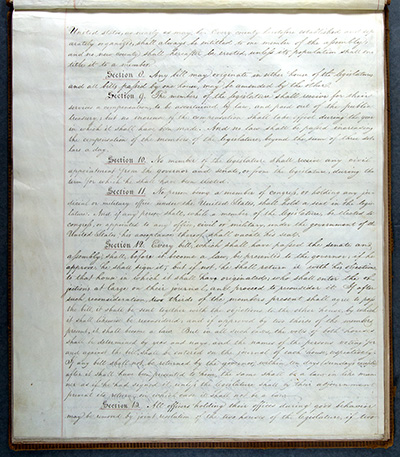
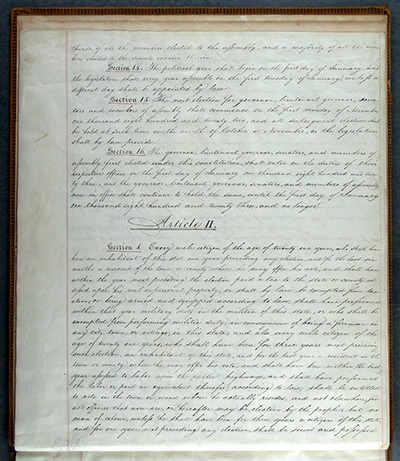
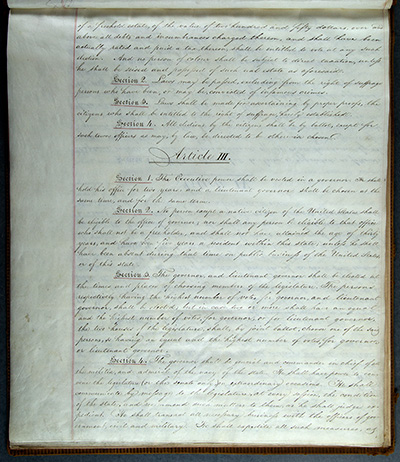
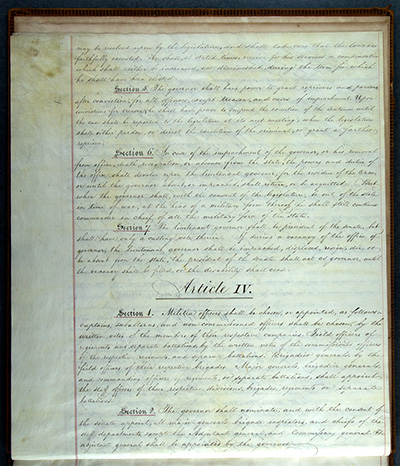
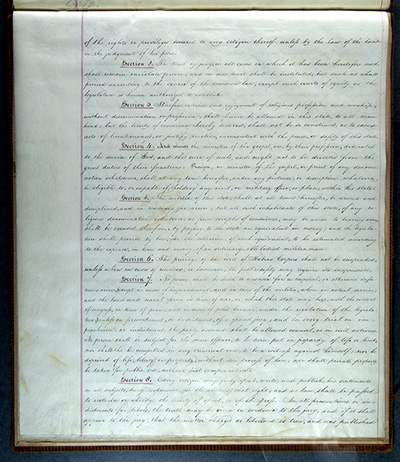
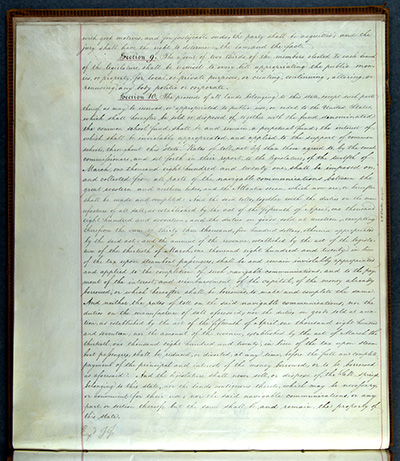
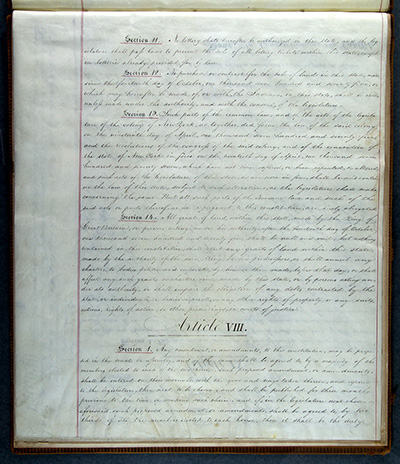
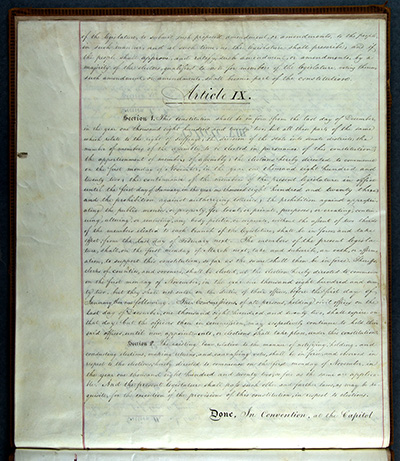
Dongan’s Laws were passed by the first New York Assembly in 1683. This pioneering document, known as the Charter of Liberties and Privileges, granted rights such as trial by jury, freedom of religion, and the right to a representative government. The provision relating to freedom of religion was later included in Section 38 of the New York State Constitution of 1777.
Watch Congress: The People's Branch and answer the following questions before analyzing the documents.
Learning Standards:
11.2 CONSTITUTIONAL FOUNDATIONS (1763 – 1824): Growing political and economic tensions led the American colonists to declare their independence from Great Britain. Once independent, the new nation confronted the challenge of creating a stable federal republic.
(Standards: 1, 5; Themes: TCC, GOV, CIV, ECO)
11.2c Weaknesses of the Articles of Confederation led to a convention whose purpose was to revise the Articles of Confederation but instead resulted in the writing of a new Constitution. The ratification debate over the proposed Constitution led the Federalists to agree to add a bill of rights to the Constitution.
Students will examine the structure, power, and function of the federal government as created by the Constitution, including key constitutional principles such as the division of power between federal and state government, the separation of powers at the federal level, the creation of checks and balances, the sovereignty of the people, and judicial independence.