


Freedom of Expression: Representative Government for Elementary and Middle School
Suggested Teaching Instructions
Introduction:
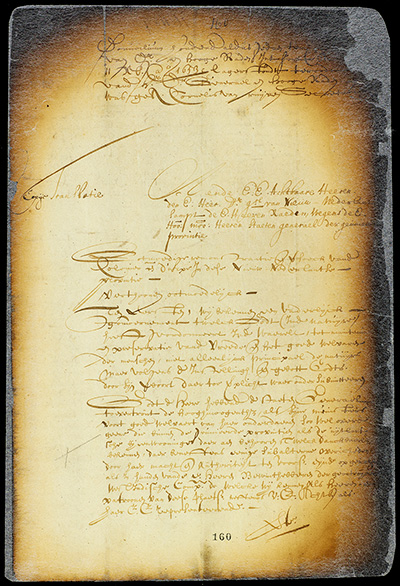
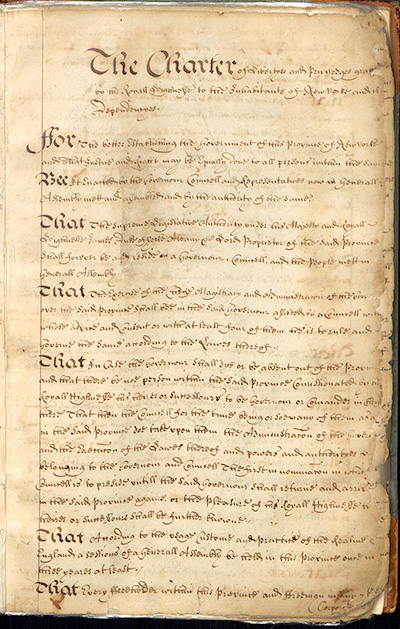
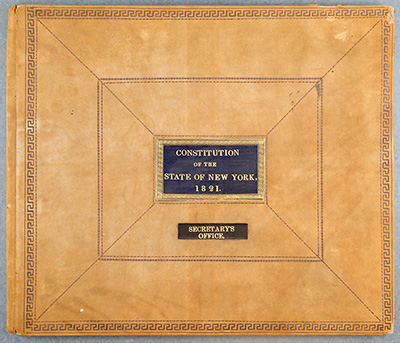
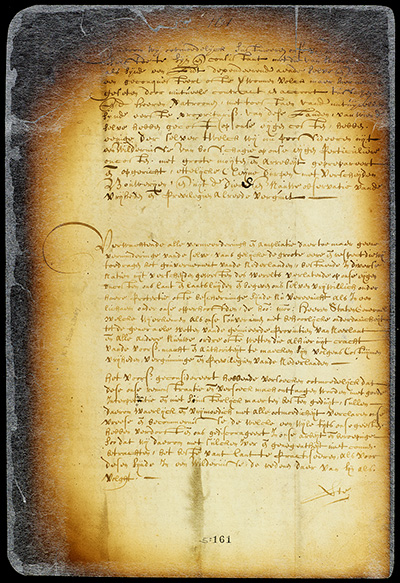
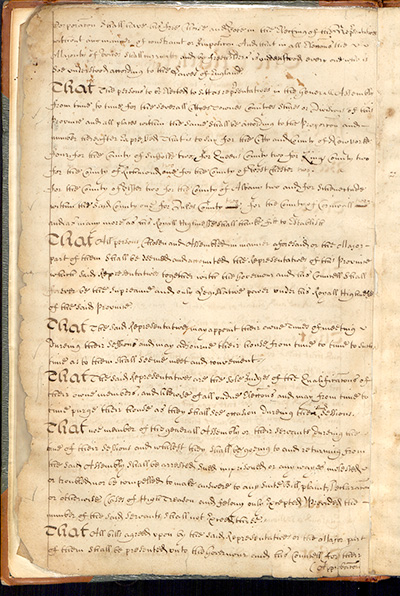
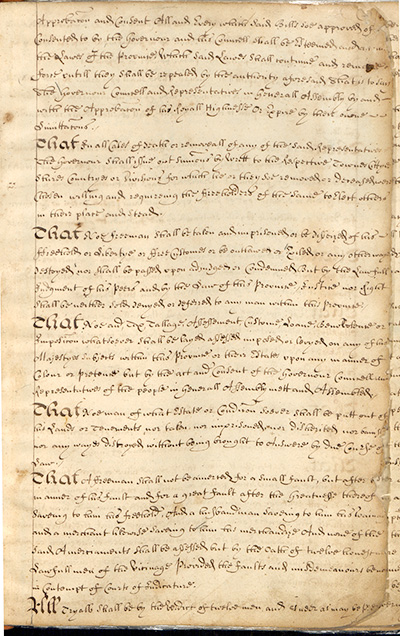
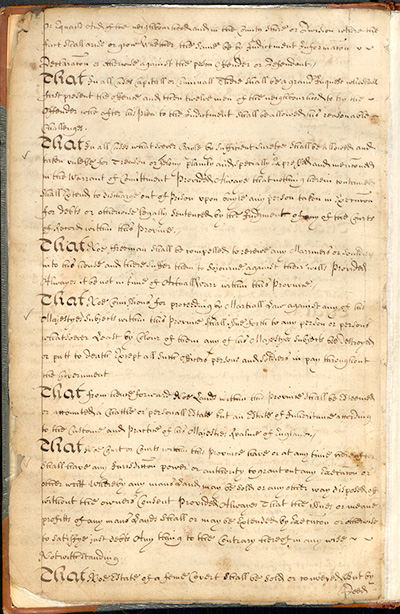
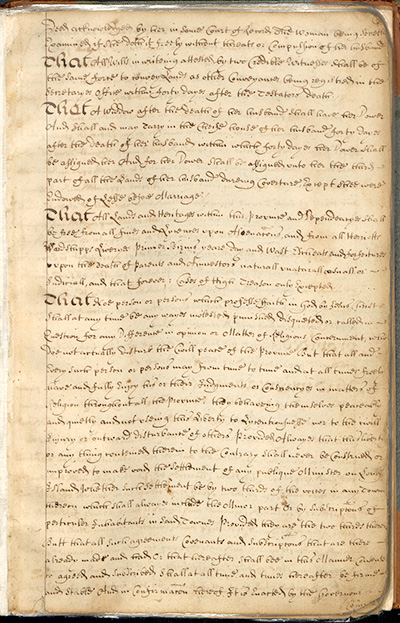
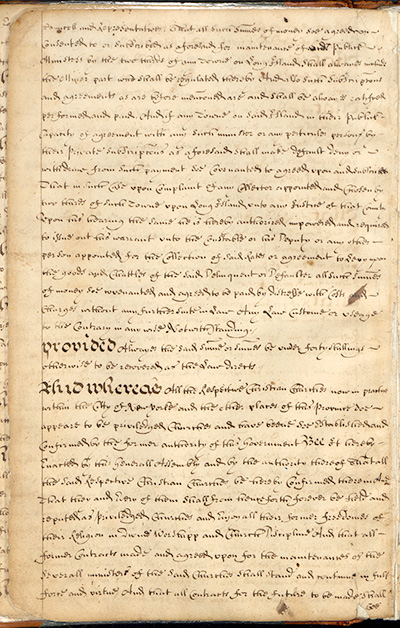
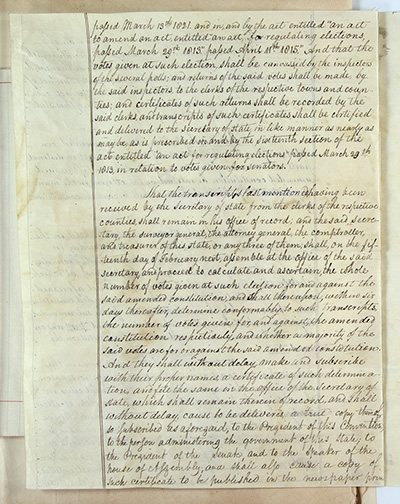
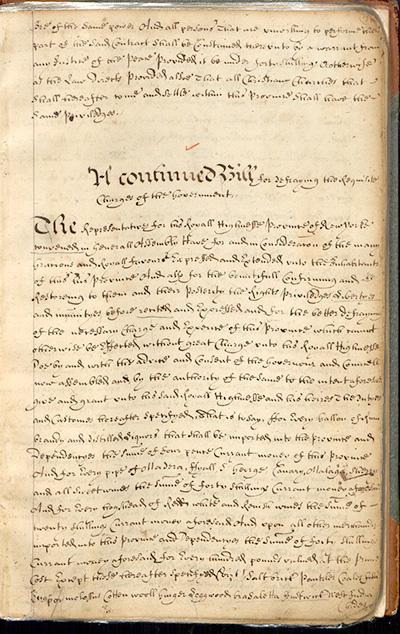
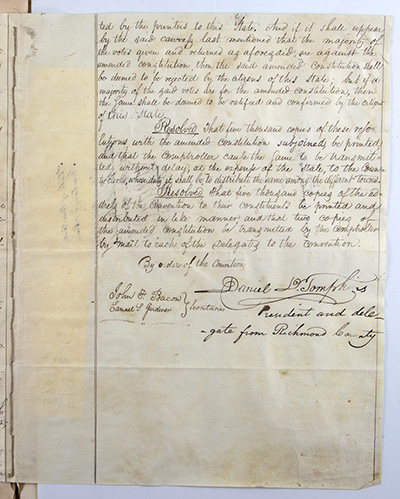
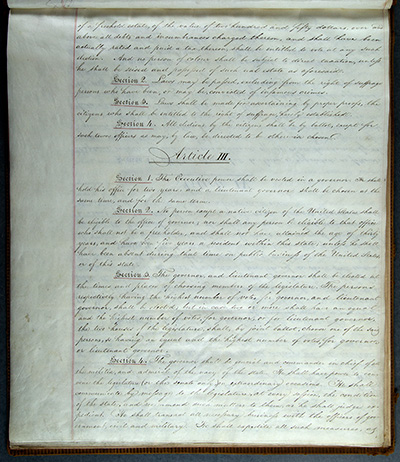
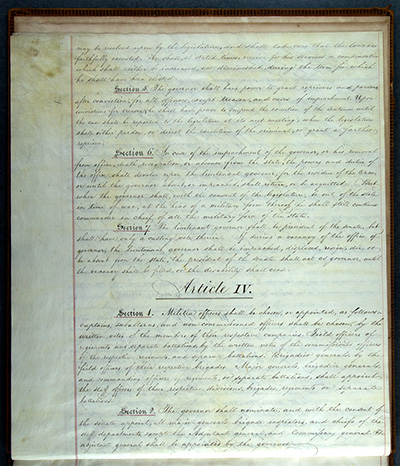
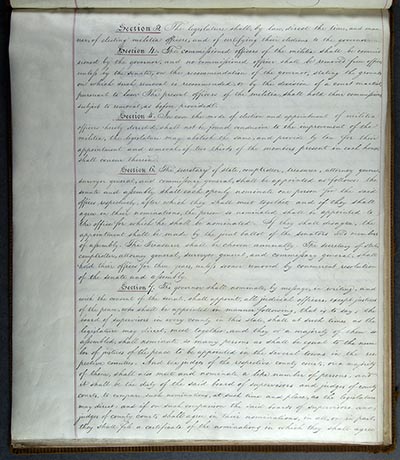
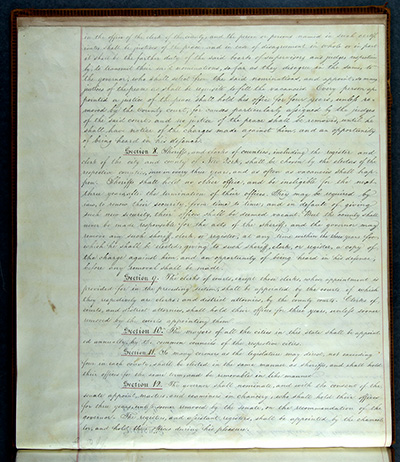
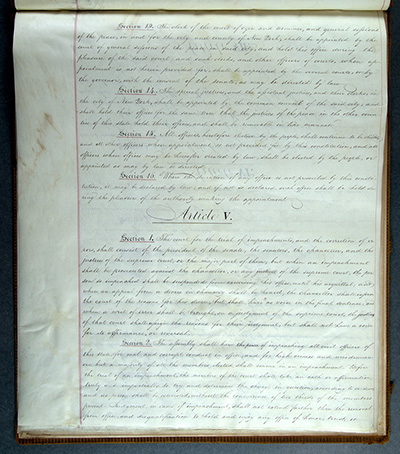
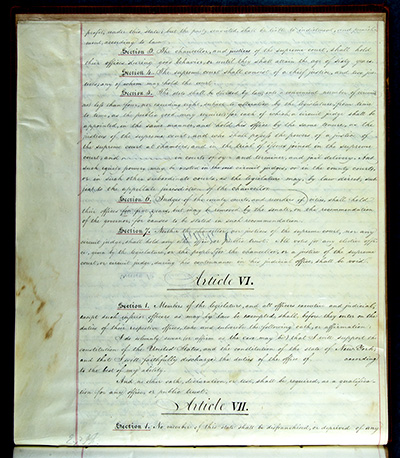
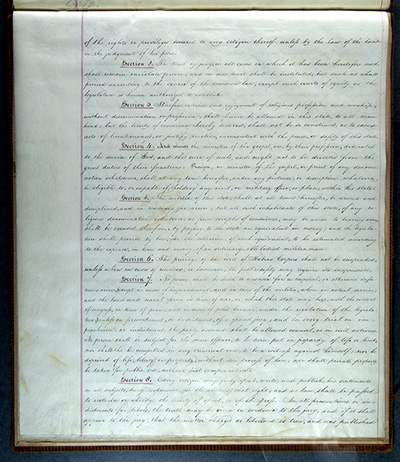
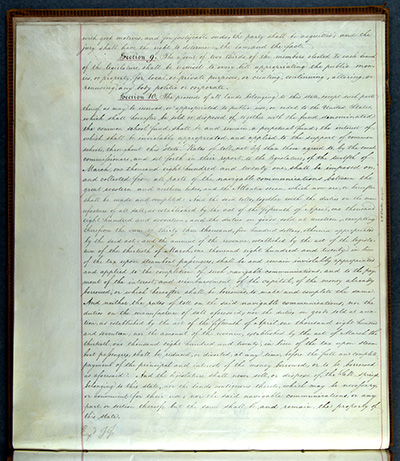
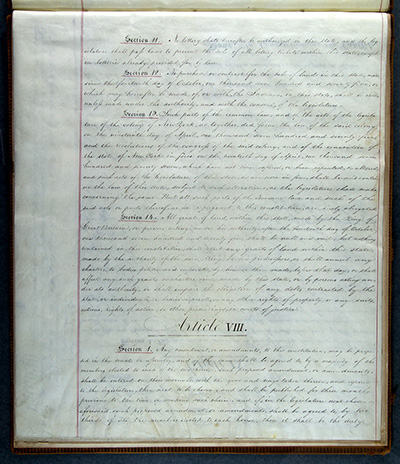
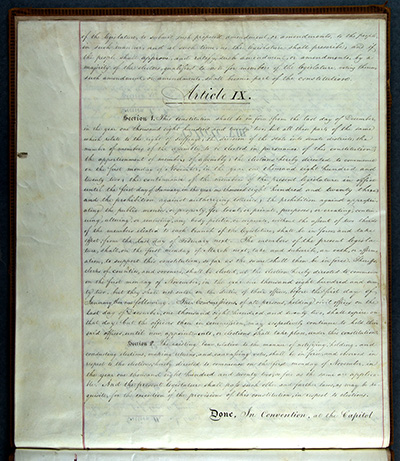
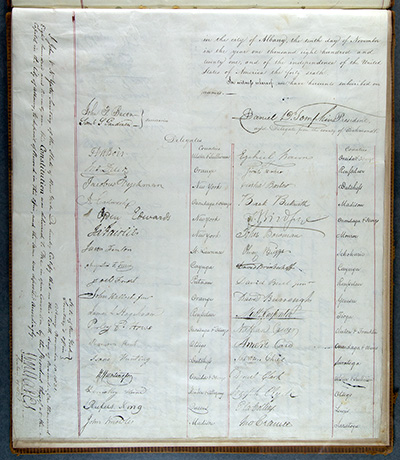
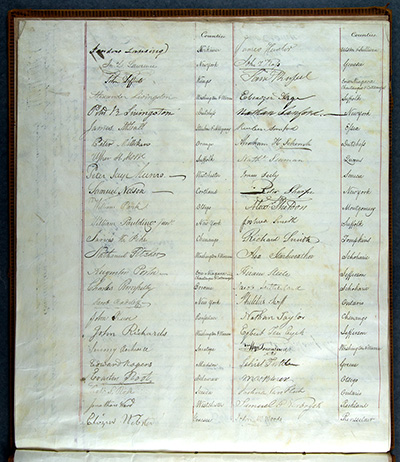
Dongan’s Laws were passed by the first New York Assembly in 1683. This pioneering document, known as the Charter of Liberties and Privileges, granted rights such as trial by jury, freedom of religion, and the right to a representative government. The provision relating to freedom of religion was later included in Section 38 of the New York State Constitution of 1777.
Watch This is What Democracy Looks Like and answer the questions that follow before analyzing the documents.
Learning Standards:
4.4 GOVERNMENT: There are different levels of government within the United States and New York State. The purpose of government is to protect the rights of citizens and to promote the common good. The government of New York State establishes rights, freedoms, and responsibilities for its citizens.
(Standards: 1, 5; Themes: GOV, CIV)
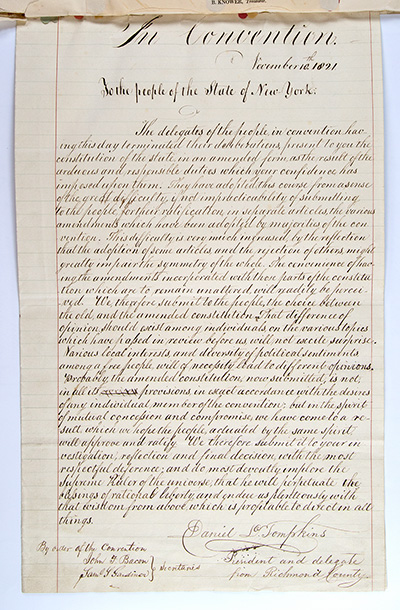
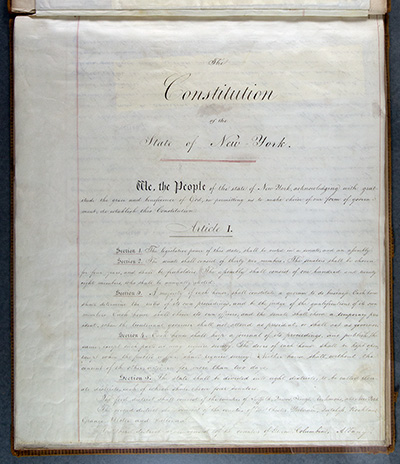
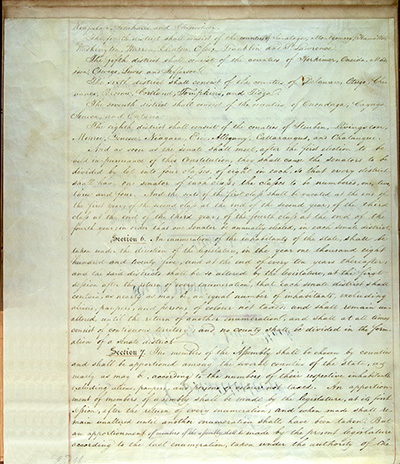
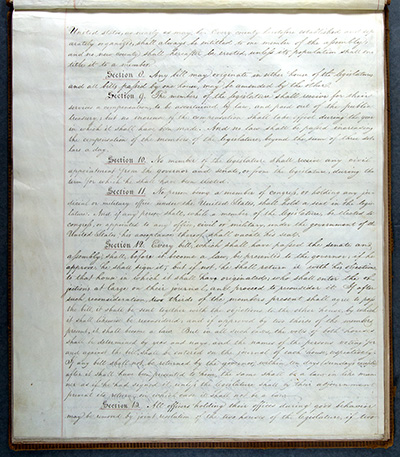
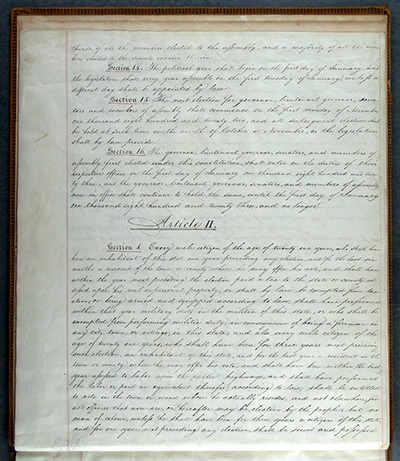
4.4b The New York State Constitution establishes the basic structure of government for the state. The government of New York creates laws to protect the people and interests of the state.
Students will use a graphic organizer to show the different branches of state government and the roles and responsibilities of each. The present governor, the local senator, and the local assemblyperson should be identified.
7.4 HISTORICAL DEVELOPMENT OF THE CONSTITUTION: The newly independent states faced political and economic struggles under the Articles of Confederation. These challenges resulted in a Constitutional Convention, a debate over ratification, and the eventual adoption of the Bill of Rights.
(Standards: 1, 5; Themes: GOV, CIV)
7.4b The lack of a strong central government under the Articles of Confederation presented numerous challenges. A convention was held to revise the Articles, the result of which was the Constitution. The Constitution established a democratic republic with a stronger central government.
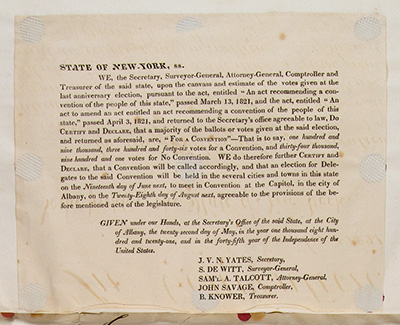
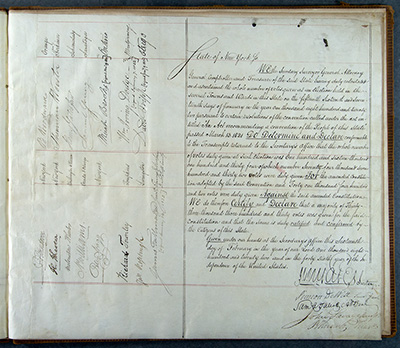
Students will examine the New York State Constitution, its main ideas and provisions, and its influence on the formation of the United States Constitution.