


Freedom of Expression: Speech and Press for Upper Elementary
Suggested Teaching Instructions
Introduction:
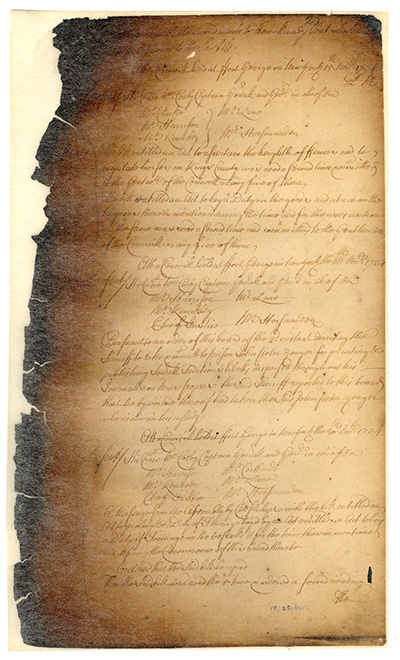
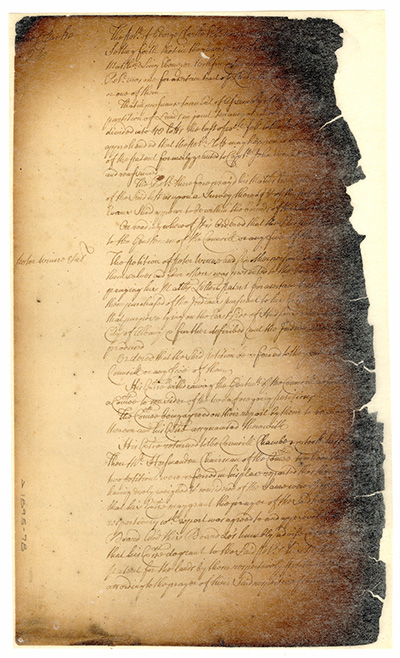
John Peter Zenger was a printer who published a newspaper called the New York Weekly Journal in the early 1700s. He was arrested in 1734 for printing stories that criticized the governor of New York. At the time, the government thought it was a crime to speak badly about leaders, even if the stories were true. A jury found Zenger not guilty, which helped people believe that telling the truth should not be punished. This idea later became part of the First Amendment, which protects freedom of speech and the press in the United States.
Watch First Amendment and answer the questions that follow before you analyze the document.
Learning Standards:
4.4 GOVERNMENT: There are different levels of government within the United States and New York State. The purpose of government is to protect the rights of citizens and to promote the common good. The government of New York State establishes rights, freedoms, and responsibilities for its citizens.
(Standards: 1, 5; Themes: GOV, CIV)
4.4d New Yorkers have rights and freedoms that are guaranteed in the United States Constitution, in the New York State Constitution, and by state laws.
Students will examine the rights and freedoms guaranteed to citizens.