


Freedom of Self-Development: Mobility
Suggested Teaching Instructions
Introduction:
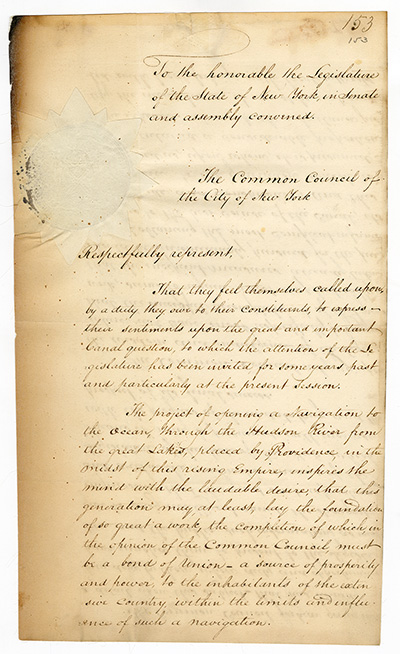
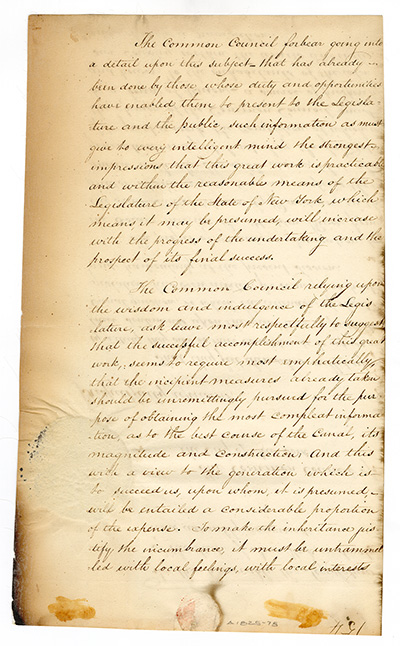
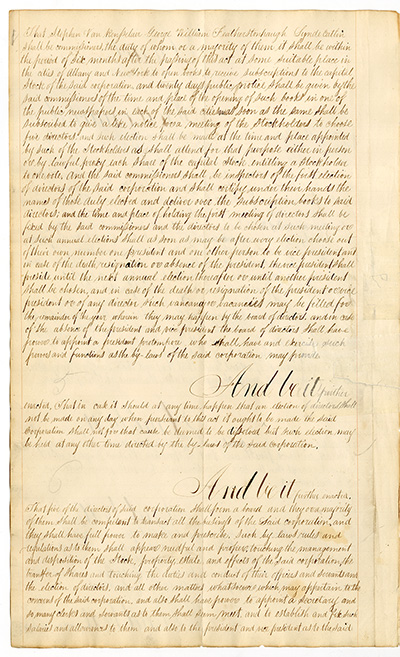
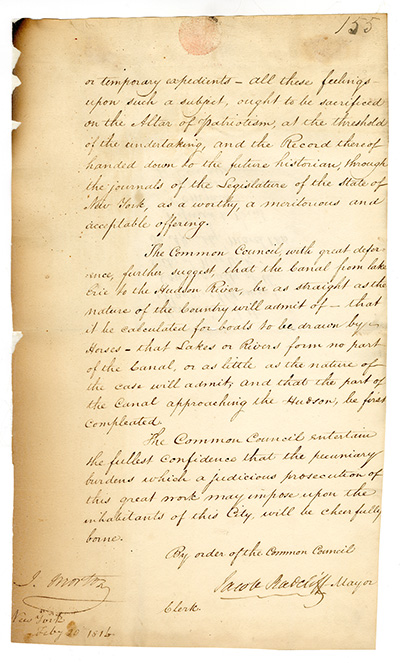
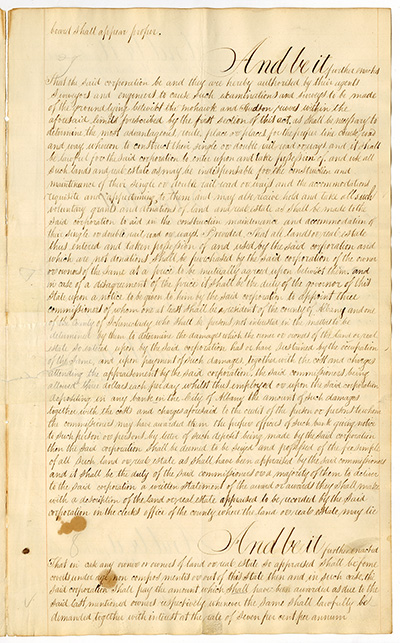
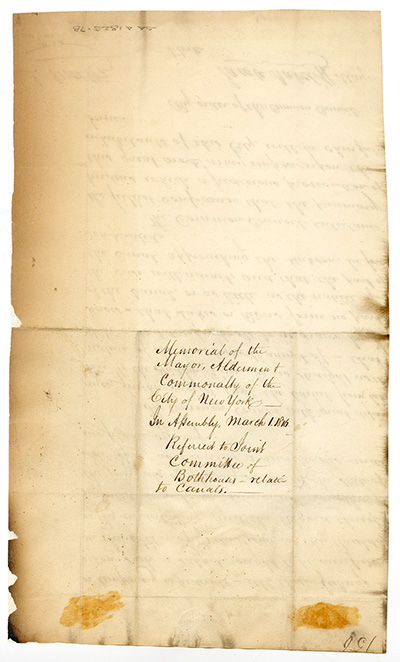
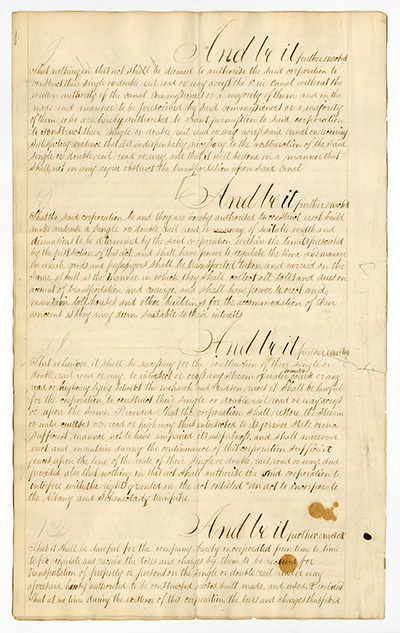
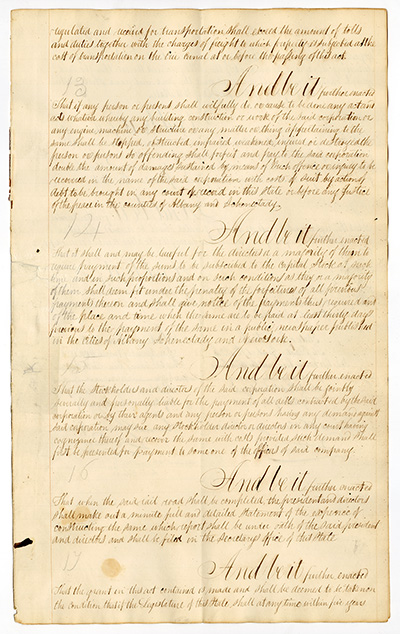
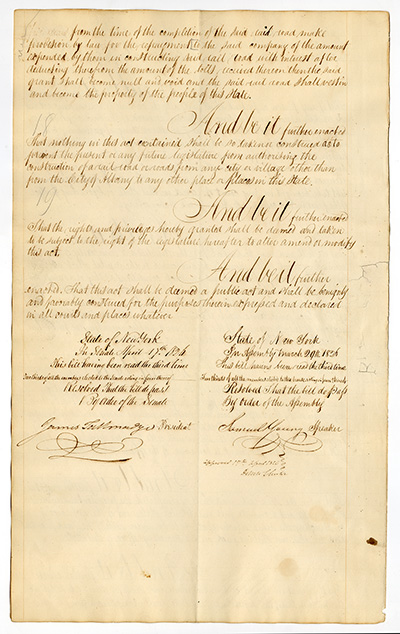
On February 20, 1816, the New York City Common Council wrote to the State Legislature in support of the creation of the Erie Canal.
The Council felt that a canal connecting the Great Lakes to the Atlantic Ocean “in the midst of this rising Empire, inspires the mind with the laudable desire, that this generation may at least, lay the foundation of so great a work, the completion of which in the opinion of the Common Council, must be a bond of Union – a source of prosperity and power...” Construction of the Erie Canal started the following year, on July 4th in Rome, NY.
Watch the first two videos in Expanding the Erie Canal and answer the questions that follow before you analyze the documents.
Learning Standards:
11.3 EXPANSION, NATIONALISM, AND SECTIONALISM (1800 – 1865): As the nation expanded, growing sectional tensions, especially over slavery, resulted in political and constitutional crises that culminated in the Civil War. (Standards: 1, 3, 4, 5; Themes: TCC, GEO, GOV, ECO, TECH)
11.3a American nationalism was both strengthened and challenged by territorial expansion and economic growth.
Students will examine the market revolution, including technological developments, the development of transportation networks, the growth of domestic industries, the increased demands for free and enslaved labor, the changing role of women, and the rise of political democracy.
7.6 WESTWARD EXPANSION: Driven by political and economic motives, the United States expanded its physical boundaries to the Pacific Ocean between 1800 and 1860. This settlement displaced Native Americans as the frontier was pushed westward. (Standards: 1, 3; Themes: ID, MOV, TCC, GEO)
7.6c Westward expansion provided opportunities for some groups while harming others.
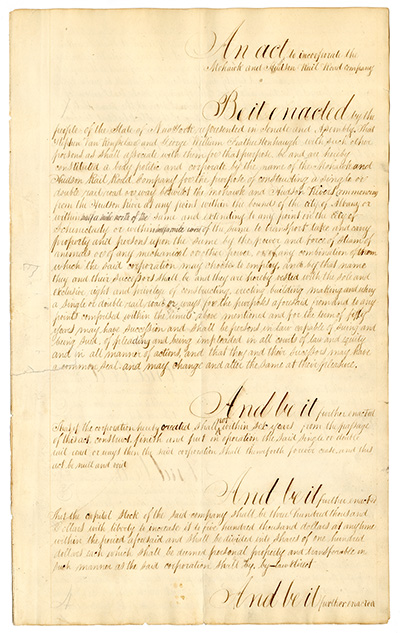
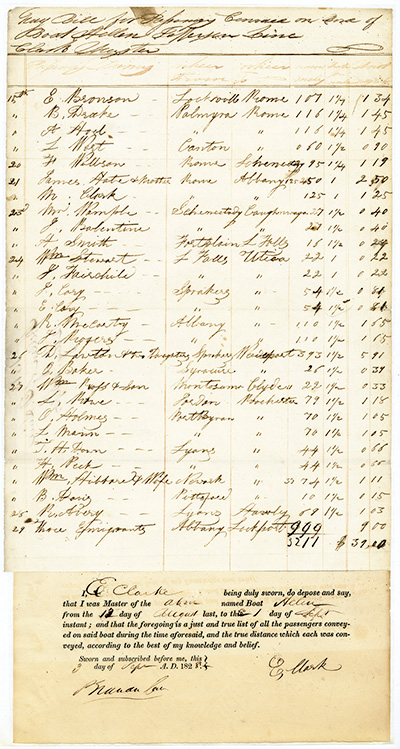
Students will examine the Erie Canal as a gateway to westward expansion that resulted in economic growth for New York State, economic opportunities for Irish immigrants working on its construction, and its use by religious groups, such as the Mormons, to move westward.