


Liberty Under Law: Personal Liberty







Suggested Teaching Instructions
Introduction:
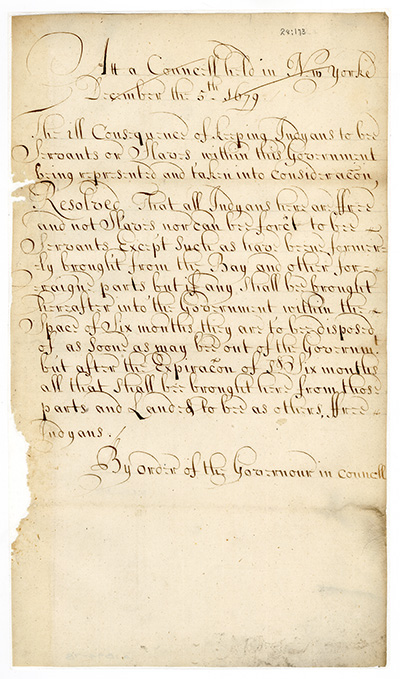
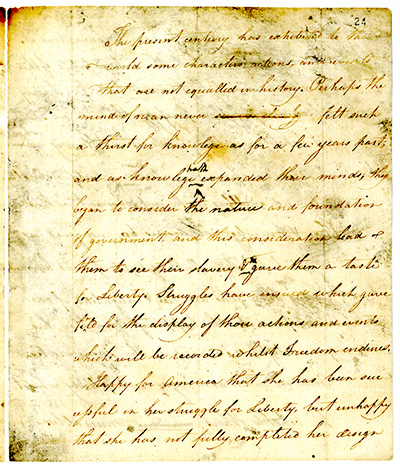
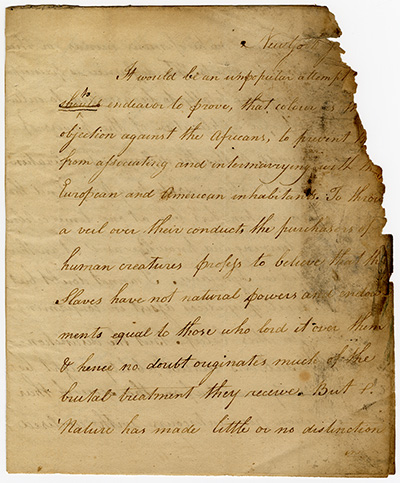
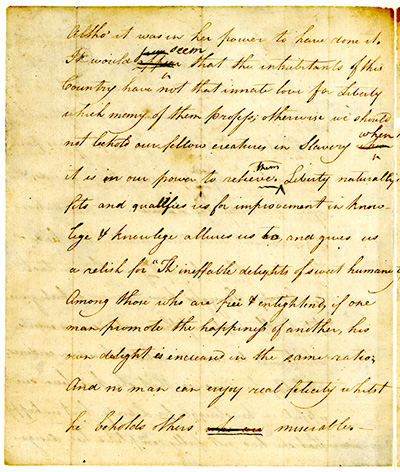
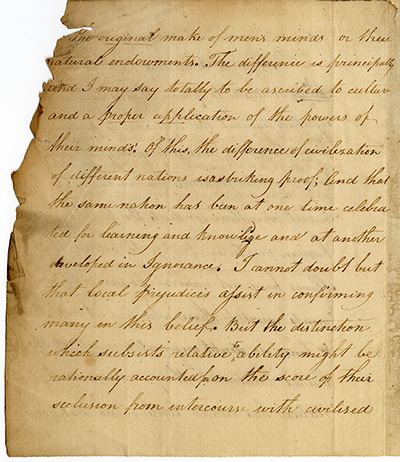
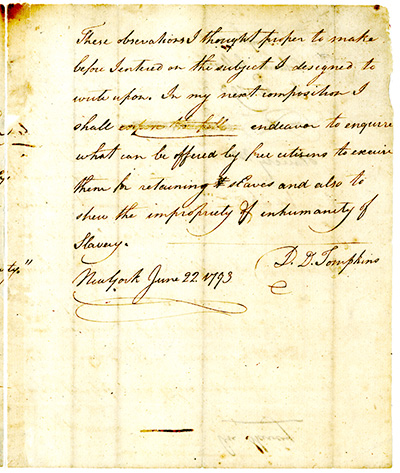
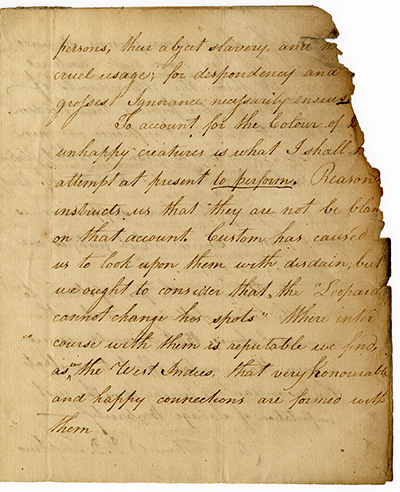
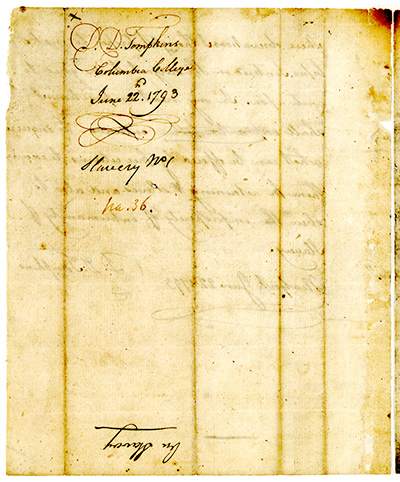
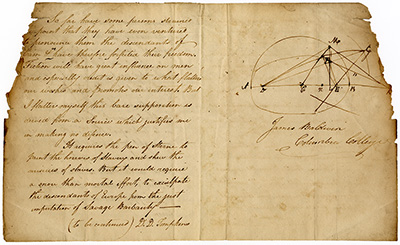
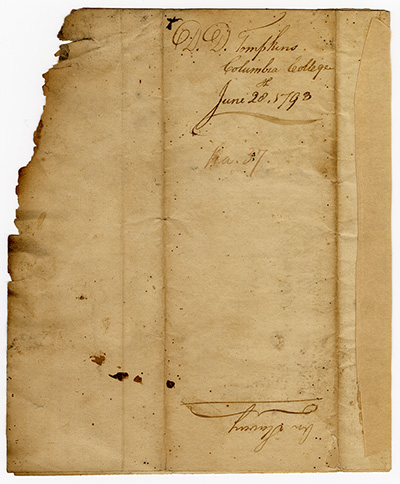
During his time as a student at Columbia College, Daniel D. Tompkins, the future New York Governor, wrote an essay on enslavement where he advocated for the cause of liberty of all men. Ten years after the American Revolutionary War ended, he wrote that he was “happy for America that she has been successful in her struggle for Liberty, but unhappy that she has not fully completed her design.” Decades later, Governor Tompkins aided in completing “her design” with the passage of Chapter 137 of the Laws of 1817, which ordered the gradual abolition of the enslaved and complete abolition by 1827 in New York State.
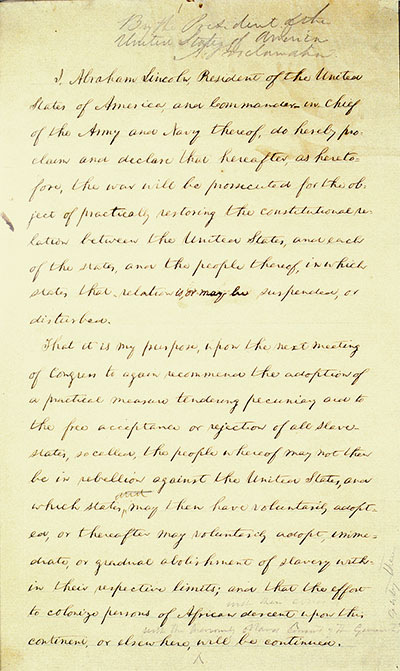
Watch Liberty and Slavery and answer the questions that follow before analyzing the documents.
Learning Standards:
11.1 COLONIAL FOUNDATIONS (1607– 1763): European colonization in North America prompted cultural contact and exchange between diverse peoples; cultural differences and misunderstandings at times led to conflict. A variety of factors contributed to the development of regional differences, including social and racial hierarchies, in colonial America.
(Standards: 1, 2, 3, 4, 5; Themes: MOV, TCC, GEO, GOV, ECO, EXCH)
11.1b A number of factors influenced colonial economic development, social structures, and labor systems, causing variation by region.
Students will analyze slavery as a deeply established component of the colonial economic system and social structure, indentured servitude vs. slavery, the increased concentration of slaves in the South, and the development of slavery as a racial institution.