Skip to content
An Integration of Indigenous Knowledge and Perspective Banner in Purple and Cream with images of a turtle, an artist, and a child reading

Wampum

Overview

Wampum consists of purple and white beads handcrafted from the quahog and whelk shells found along the coastal waters. For the Indigenous nations of New York, specifically the Haudenosaunee Confederacy (The Six Nations) and Algonquian-speaking nations (including Shinnecock, Unkechaug, Matinecock, Montaukett, and Setalcott ) peoples, wampum is a sacred material used for diplomacy, storytelling, and ceremonial purposes. Wampum belts are mnemonic devices that record treaties, messages, and history, such as the Great Law of Peace. This brief highlights the cultural significance of wampum, the intricate artistry of its creation, and its foundational role in shaping early American diplomacy and democratic ideals.

Wave Belt
Wave Belt

Main Ideas

1. Wampum is not simply a craft or historical object; it is a sacred cultural practice of the Haudenosaunee and Algonquian-speaking groups. Wampum is used to preserve history, agreements, teachings, and relationships through oral tradition and symbolism.

2. Indigenous nations relied on sophisticated diplomatic systems long before European contact. Coastal and inland Indigenous nations maintained extensive trade and political networks connected through wampum.

3. Indigenous nations continue to use and protect wampum traditions today. The treaties represented in wampum belts are understood as living agreements that still carry meaning and responsibility.

Teacher Note- Teachers should reinforce that wampum belts cannot be fully understood outside of the cultural teachings and relationships that are connected to them. Classroom lessons should emphasize respect, historical and cultural context, and Indigenous perspectives rather than replication of the belts alone.

Essential Questions

General Essential Questions:

  • How do Indigenous nations preserve history, agreements, and knowledge?
  • What responsibilities come with carrying and remembering a message?
  • Why is wampum considered sacred by many Indigenous peoples?
  • How do Indigenous nations continue to protect and use wampum today?

Elementary:

  • How can objects tell stories or carry important messages?
  • Why are some objects important to a community?
  • How can people show respect for relationships and agreements?

Middle School:

  • How did wampum help Indigenous nations maintain peace and alliances?
  • How can symbols communicate ideas across generations?
  • Why is it important to understand treaties from multiple perspectives?

High School:

  • How did wampum support diplomacy and relationships between nations?
  • In what ways do wampum belts challenge common narratives about Indigenous history and governance?
  • How should Indigenous oral histories and wampum be treated in discussions of law, sovereignty, and historical evidence?


Background

Prior to European Contact
Originating from Indigenous nations of Long Island and the eastern Atlantic seaboard, wampum was developed as an important cultural and political tool. Indigenous nations in North America utilized wampum for diplomacy, storytelling, and ceremonial purposes. Indigenous nations in North America had vast trading networks in which wampum could be traded among other goods.

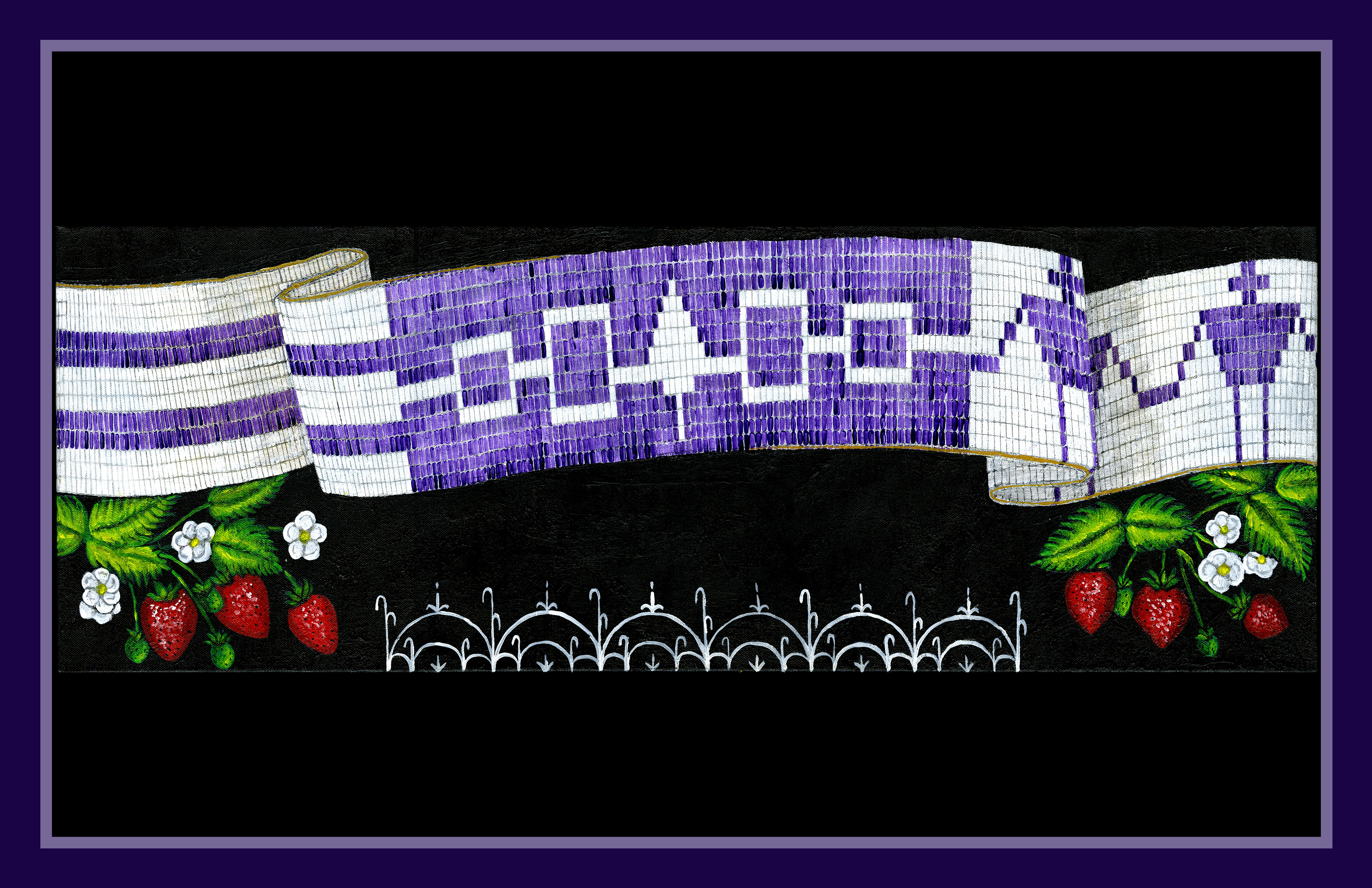
Hiawatha Belt Commercial beads made of white and purple dyed clam shell.
Hiawatha Belt By Toni Cooke

The Haudenosaunne used wampum for sending messages, record treaties, and document key moments in history. Most notably, the wampum has been and continues to be used to aid in reciting the Great Law of Peace. These wampum belts contain the message of the Peacemaker and the laws themselves. Additionally, Indigenous nations used a variety of wampum for documentation and agreements  in times of peace and war. Wampum belts were often used for documentation but strings of wampum beads would also be used to carry messages such as announcements of war. These strings were given to messengers or “runners” who would travel along trails across the state carrying these messages to the different communities within the Haudenosaunee Confederacy. These historic trails became the basis for the I-90 thruway that stretches across New York State.

Coastal Connection
The purple and white beads that are known as wampum beads are carved from quahog shells by coastal nations - such as the Shinnecock, Unkechaug, Matinecock, Montaukett, and Setalcott- who have a deep, ancestral relationship with the Atlantic waters. The process of creating wampum is laborious and requires immense skill to drill the fragile shell without breaking it, a tradition continued by these nations today.  These nations were central to the production of wampum and wampum held deep cultural significance within these communities themselves. As emphasized by Unkechaug Chief Harry Wallace, Algonquian peoples used wampum for ceremonial, spiritual, and diplomatic purposes, as well as for personal adornment in clothing and jewelry. Its meaning is rooted in relationships to the land, waters, and community, reflecting identity, responsibility, and connection. Additionally, these beads were traded inland to the Haudenosaunee, where they were woven into belts which served cultural, legal, and diplomatic purposes.

Contemporary Relevance
Wampum is still used today by Haudenosaunee and Algonquin-speaking nations. Wampum belts have been presented at the United Nations, treaty commemorations, and ceremonial events. Many Indigenous nations have members that learn, practice, and teach the art of wampum making because wampum is a significant part of Indigenous nations and their culture.

In Haudenosaunee tradition, wampum carry a message. A speaker "puts their words" into the beads as they are woven and each bead holds a specific meaning. The belt then serves to carry that message across time and distance from the ancestors of the given Indigenous nation. The Onondaga Nation holds the responsibility of "Wampum Keeper" for the Haudenosaunee Confederacy, acting as the caretaker and "reader" of these national records. 

Today, coastal Algonquian communities continue to use wampum as both a living cultural practice and an evolving art form; creating belts that record present-day events, reflect processes of reconnection and reclamation of ancestral knowledge, and reinforce relationships to land, identity, and community, while also incorporating wampum into contemporary artistic expression and jewelry.

Key Wampum Belts and Their Messages

1. Hiawatha Belt: The Hiawatha Belt is the foundational national record of the Haudenosaunee Confederacy. It commemorates the unification of the original Five Nations, the Mohawk, Oneida, Onondaga, Cayuga, and Seneca, under the Great Law of Peace. This belt serves as a physical manifestation of the diplomatic work of the Peacemaker and Hiawatha, who traveled among the nations to end conflict and establish a unified government based on consensus and peace. Today, the Hiawatha Belt is recognized globally as the official flag of the Haudenosaunee Confederacy. It is a powerful symbol of Indigenous sovereignty, endurance, and one of the oldest living participatory democracies on Earth. It serves as a reminder that the "rafters" of the Longhouse are always open to those seeking peace and unity.

2. The Circle Wampum: The Circle Wampum is one of the most significant records of the Haudenosaunee Confederacy, serving as a foundational map of its governance and the Great Law of Peace. Unlike the rectangular belts commonly used for treaties, the Circle Wampum consists of 50 strings of wampum that radiate from a central point, forming a large circle. The 50 strands within the wampum each represent the condoled chiefs who are unified within the Haudenosaunee Confederacy. The Circle Wampum is a physical manifestation of the Haudenosaunee democratic system, emphasizing that leadership is a collective responsibility held together by a shared commitment to peace and the well-being of future generations.

3. Two Row Wampum Belt (Gaswéñdah): Recorded as the first agreement with the Dutch in 1613. Two parallel purple rows on a white field represent a Dutch ship and a Haudenosaunee canoe traveling side-by-side on the "River of Life." It symbolizes mutual respect and non-interference: neither nation shall attempt to steer the other’s vessel.

4. Dish With One Spoon Belt: An agreement for sharing hunting territory among nations. A purple circle (the bowl) sits on a white field. It dictates that all people and animals eat from one dish with one spoon, meaning resources must be shared and conserved so they can endure for future generations. "No knife" is allowed near the dish to ensure peace and prevent bloodshed. The practice of serving sustenance from a single vessel was the simplest way to demonstrate good will among peoples, which was essential for alliance building.

5. Canandaigua Treaty Belt (Washington Covenant Belt): Commemorates the 1794 treaty between the U.S. (under the presidency of George Washington) and the Six Nations. It features 13 human figures representing the states and two figures flanking a longhouse representing the Haudenosaunee, all linked by a "chain of friendship" to signify perpetual peace and land sovereignty.

Influence on the U.S. Government

Haudenosaunee governance and diplomatic traditions were known to some colonial leaders and have been identified by Haudenosaunee knowledge keepers, Indigenous scholars, and some historians as influential in the development of American democratic ideas. For teachers looking to explore connections to the Haudenosaunee influence on U.S. foundations, consult the module titled The Great Law of Peace and U.S. Government Foundations.

Sample Lesson Plans
and Activities
Tips for
Implementation
NYSED Portrait of a Graduate
and NYS Learning Standards
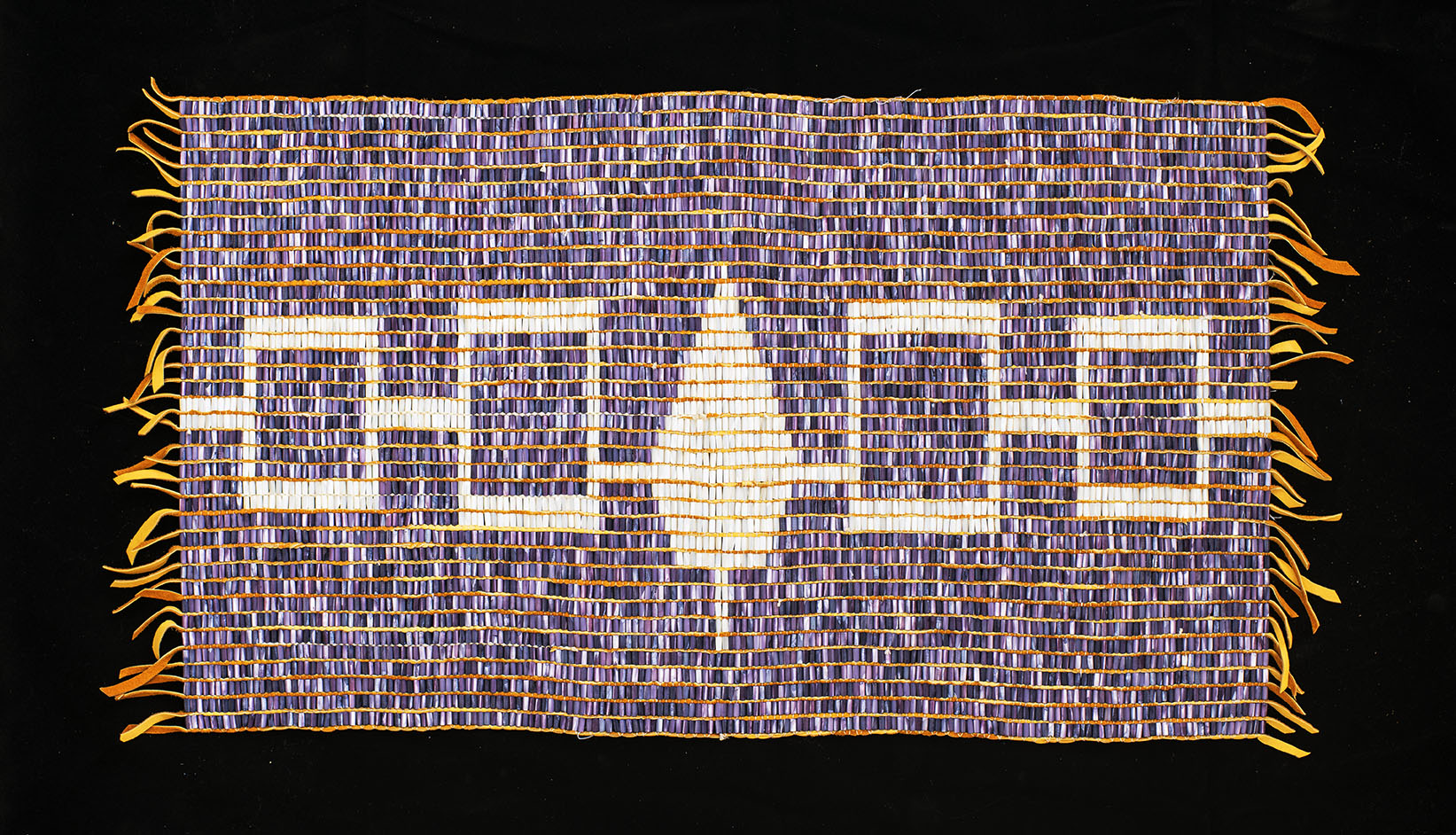
Unity: A breastplate made of threaded white and purple quahog and whelk shell wampum beads. Leather backing and fastening ties. Synthetic thread used to weave beads onto leather strings. Leather strings/fringe decorate the bottom of the piece.
"Unity" Breastplate made of threaded white and purple quahog and whelk shell wampum beads. By Lydia Wallace Chavez

Indigenous Perspective

Messages and Communication: Wampum belts are systems of communication that preserve agreements, teachings, relationships, and history. Belts are not merely decorative objects; they carry messages and responsibilities.

Diplomacy and Governance: Wampum has played a foundational role in diplomacy between Indigenous Nations and later between Indigenous nations and European governments. Belts recorded treaties, alliances, and nation-to-nation agreements.

Relationship to Land and Water: Wampum originates from coastal shellfish and reflects interconnected relationships between inland and coastal Indigenous nations. The materials themselves represent traditional ecological knowledge, trade networks, and environmental stewardship.

Enduring Cultural Significance: Wampum traditions continue today among Haudenosaunee and Algonquian-speaking nations. Wampum is actively used in ceremonies, governance, treaty commemorations, and education.

Memory and Responsibility: Wampum belts function as mnemonic devices that help preserve oral histories and responsibilities across generations. Knowledge of a belt requires trained interpretation and cultural context.

Indigenous Sovereignty: Many wampum belts continue to represent ongoing treaty relationships and Indigenous sovereignty today, including agreements that Indigenous nations understand as still active and binding.

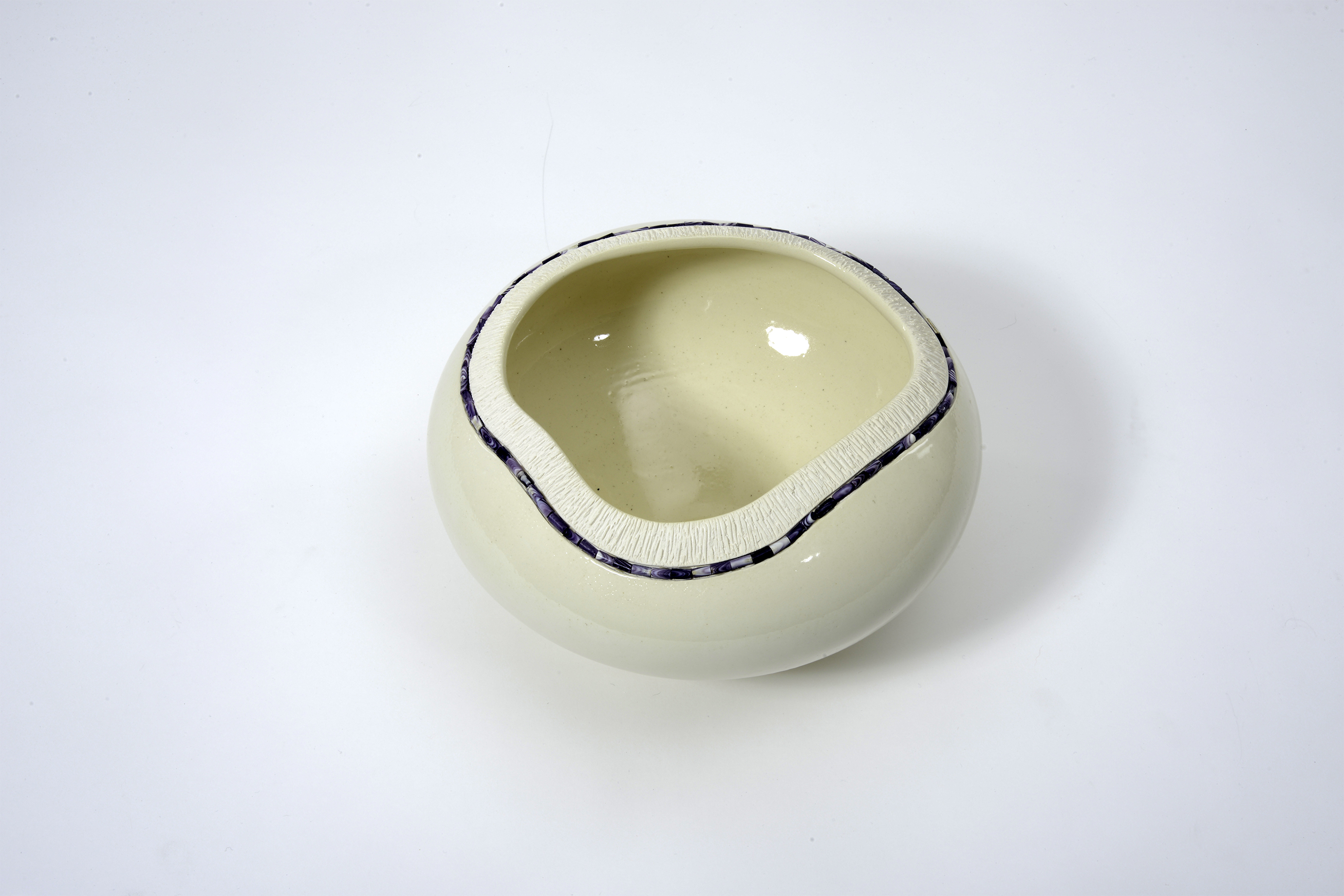
Wampum Pot - "Honor Our Strings" series White porcelain vessel with inlaid purple wampum beads around the lip.
Wampum Pot - "Honor Our Strings" series By Brenda Hill

Critical Thinking and Analysis

Observation: (Based on visuals of wampum belts)

  • What symbols, patterns, or colors do you notice in this belt?
  • What might repeated designs communicate?
  • Why would a community use visual symbols to preserve important messages?

Historical Context/Perspective:

  • How might Indigenous nations and European colonizers have understood treaties differently?
  • Why is oral tradition important in understanding wampum belts?
  • What responsibilities come with being a “keeper” of knowledge?

Historical Analysis:

  • Compare wampum belts to written contracts or government documents. What are the strengths and limitations of each?
  • How does the Two Row Wampum represent the concept of coexistence within the context of colonialism?
  • How did wampum support governance within the Haudenosaunee Confederacy?

Contemporary Significance:

  • What role do historical treaties and agreements play in Indigenous diplomacy today?
  • What does it mean to preserve culture through living traditions?
  • How should museums, schools, and governments respectfully handle Indigenous cultural materials like wampum belts?

Teacher Note- Teachers should avoid asking students to “decode” sacred belts without appropriate cultural context. Instead, students should analyze belts using information shared by Indigenous knowledge holders, museums, or Nation-approved educational resources.

Connections to People and Place in New York State

Regional Relevance:

➔     Long Island: Home to the Shinnecock, Unkechaug, Matinecock, Montaukett, and Setalcott Nations, the primary source of the quahog and whelk shells.

➔     Central/Western NY/Mohawk Valley/North Country: Homelands of the Haudenosaunee Nations (Mohawk, Oneida, Onondaga, Cayuga, Seneca, Tuscarora), the keepers of the belts.

Local Experts: Consult the Museum or the Seneca-Iroquois National Museum, Metoac Indigenous Collective, and Wampum Magic (small business) to view authentic wampum and shell-work.

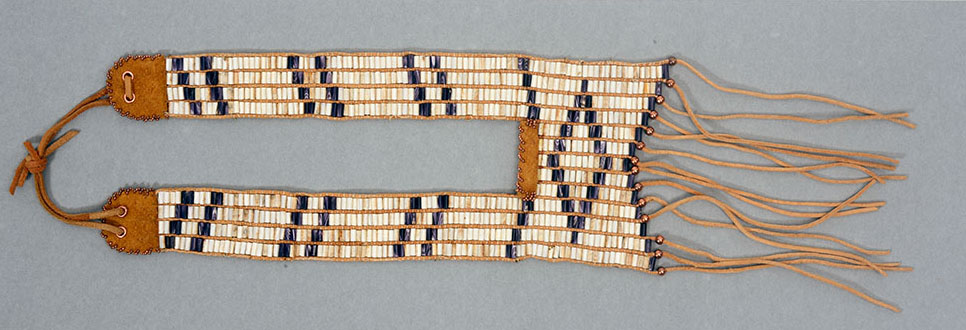
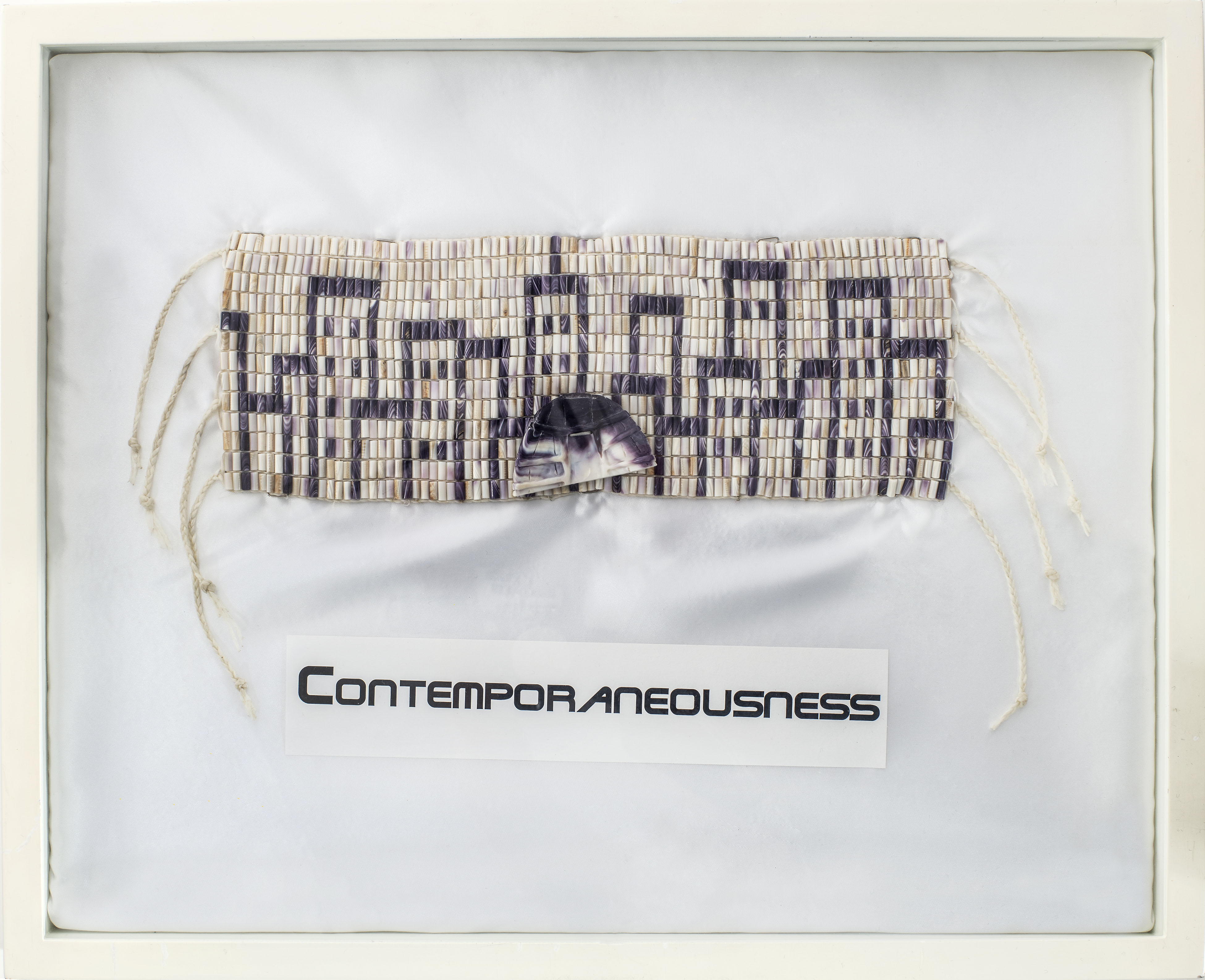
"Contemporaneousness Belt" or "Two Worlds Living or Existing During the Same Period of Time"
"Contemporaneousness Belt" or "Two Worlds Living or Existing During the Same Period of Time" by Lydia Wallace Chavez

Glossary of Key Terms

Confederacy- A union of separate nations or groups working together through shared agreements and responsibilities.

Diplomacy- The practice of maintaining relationships, negotiations, and agreements between nations or governments.

Great Law of Peace- The foundational governance system and teachings of the Haudenosaunee Confederacy emphasizing peace, power, righteousness, and collective responsibility.

Haudenosaunee Confederacy - The Confederacy of Six Nations made up of the Mohawk, Oneida, Onondaga, Cayuga, Seneca, and Tuscarora Nations.

Haudenosaunee- Meaning “People of the Longhouse;” comprised of the Six Nations- Mohawk, Oneida, Onondaga, Cayuga, Seneca, and Tuscarora.

Mnemonic Device- A tool used to help remember and recall information. Wampum belts serve as mnemonic devices connected to oral histories and teachings.

Oral Tradition- The passing of knowledge, history, teachings, and laws through spoken word across generations.

Quahog- A hard-shell clam from Atlantic coastal waters whose purple shell is used to create wampum beads.

Sovereignty- The right of a nation or people to govern themselves and maintain their own laws, traditions, and political authority.

Treaty- A formal agreement between nations or governments. Many Indigenous treaties are represented and remembered through wampum belts.

Two Row Wampum- A Haudenosaunee-Dutch treaty belt representing two peoples traveling side-by-side in separate vessels without interfering in each other’s ways of life.

Wampum Belt- A woven arrangement of wampum beads that carries a specific message, agreement, teaching, or historical record.

Wampum Keeper- The individual or nation responsible for caring for, preserving, and interpreting wampum belts.

Wampum- Purple and white shell beads carved from quahog and whelk shells and woven into strings or belts used for diplomacy, ceremony, storytelling, and recording agreements.

Whelk- A sea snail whose shell is used to create white wampum beads.

Suggested Readings,
Videos, and Media
Contributor Biographies