Summary
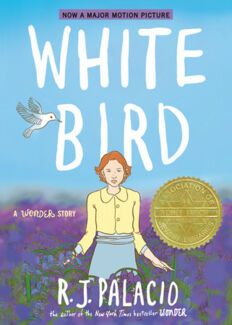
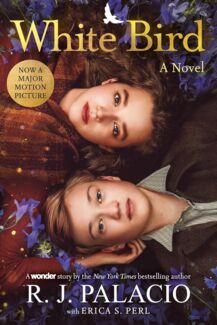
White Bird is set during World War II and follows Sara Blum, a young Jewish girl forced into hiding when the Nazis begin rounding up Jewish families in Nazi-occupied France. She finds refuge with Julien, a classmate with polio who has often been bullied and overlooked. Julien becomes her protector and friend, hiding her in his family’s barn as they face the dangers of the war together. The story is told by Sara herself, now Grandmère, as she recounts her childhood experiences to her grandson, Julian. Through her memories, Grandmère shows Julian the power of kindness, courage, and empathy, highlighting the importance of remembering history so that its lessons are never forgotten.
Main Themes
- Kindness and Courage: The book shows that even small acts of kindness can make a big difference. Julien, who is often bullied because of his disability, shows great bravery by helping Sara. His actions remind us that true courage means doing what is right, even when it is hard or dangerous.
- Empathy and Bullying: At first, Sara ignores Julien at school, but later he becomes the one who saves her. This teaches an important lesson about treating others with respect and standing up against bullying. The story encourages readers to show empathy and support those who are left out.
- Resilience and Survival: Sara must hide from the Nazis and live in constant fear. Despite these hardships, she and Julien never give up hope. Their strength demonstrates how people can survive even the toughest situations.
- Memory and Legacy: Grandmère tells her story to her grandson so he can learn from the past. By passing down these memories, she ensures that future generations will understand the importance of kindness, bravery, and standing against injustice.
- Freedom and Imagination: The white bird is a symbol of hope and freedom. For Sara, imagination and memories give her comfort and strength during dark times. The story shows how holding on to hope can help people overcome even the hardest challenges.
Why White Bird is Appropriate for Upper Elementary and Middle School
White Bird is an age-appropriate choice for upper elementary and middle school readers due to its accessible format, relatable protagonist, and important educational themes. The graphic novel combines moving illustrations with text, creating an engaging and emotional reading experience that draws students into the story. While it addresses serious and difficult events, the book presents them with sensitivity, making the content powerful without being overwhelming. Told through the eyes of Sara, a young protagonist, the story explores themes such as bullying, friendship, and courage that resonate with students at this age. It also naturally encourages meaningful classroom conversations about empathy, moral choices, resilience, and the importance of remembering history.