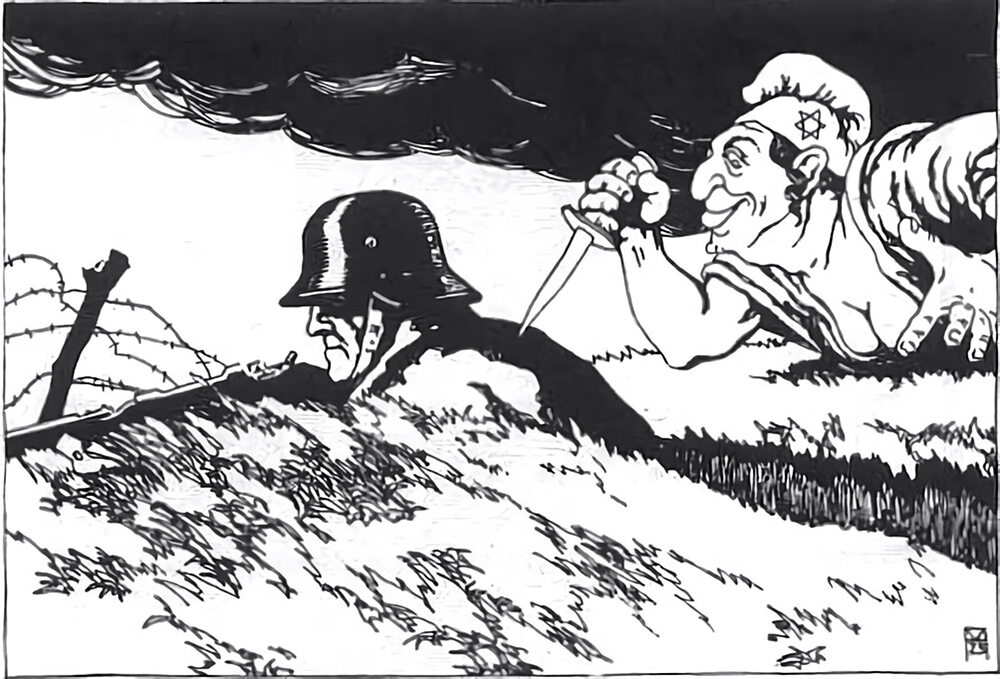
The Stab-in-the-Back Theory and the Rise of Nazism
The “stab-in-the-back” theory was a powerful and destructive myth that emerged in Germany following its defeat in World War I. According to this narrative, the German military had not been defeated on the battlefield but had been betrayed by civilian politicians, particularly those associated with the Social Democratic Party (SPD), leftists, and Jews. These groups were accused of undermining the war effort and forcing Germany to surrender, despite the supposed strength and resilience of the German army. Nazi leaders propagated the myth that Germany’s "glorious army" had been betrayed by treacherous politicians, robbed of a certain victory and forced into an unnecessary surrender. This false narrative, powerful and persistent, deeply influenced Adolf Hitler and contributed to his descent into fanaticism. His military advisors, Field Marshals Wilhelm Keitel and Alfred Jodl, reinforced this delusion by consistently agreeing with him, regardless of the facts .This theory ignored the military realities of Germany’s crumbling front lines and widespread exhaustion in 1918, instead redirecting blame toward internal “enemies.”
This myth gained traction in part because it offered a convenient explanation for a humiliating defeat. The Treaty of Versailles, which followed the armistice, imposed harsh reparations and territorial losses on Germany, deepening national resentment. Many Germans viewed the treaty as unjust and degrading, and the myth that Germany had been betrayed from within helped fuel outrage. Politicians of the Weimar Republic, particularly those who had signed the armistice or supported the new democratic government, were labeled “November criminals.” The idea that Germany had been robbed of victory by internal traitors resonated with many who were seeking someone to blame for their country’s suffering.
Adolf Hitler and the Nazi Party skillfully exploited the stab-in-the-back theory in their rise to power. Hitler, himself a veteran of World War I, used the myth to portray the Weimar Republic as weak, illegitimate, and corrupted by Jews and Marxists. Nazi propaganda repeatedly invoked the betrayal narrative to stoke nationalist anger and delegitimize democratic institutions. The theory became central to Hitler’s ideology, justifying not only his rejection of democracy but also his violent antisemitism and his calls for revenge against perceived internal enemies. It allowed him to present himself as the leader who would restore Germany’s honor and undo the humiliation of Versailles.
Ultimately, the stab-in-the-back myth contributed significantly to the destabilization of the Weimar Republic and the rise of Nazism. By shifting the blame for military defeat onto civilians and minorities, it created a poisonous political climate ripe for extremism. It helped delegitimize democratic leadership and created the emotional foundation for Hitler’s radical nationalist message. Though entirely unfounded, the myth had real and devastating consequences, shaping German politics in the interwar years and laying the groundwork for the horrors that would follow under Nazi rule.