Build/Share
Learning Activities
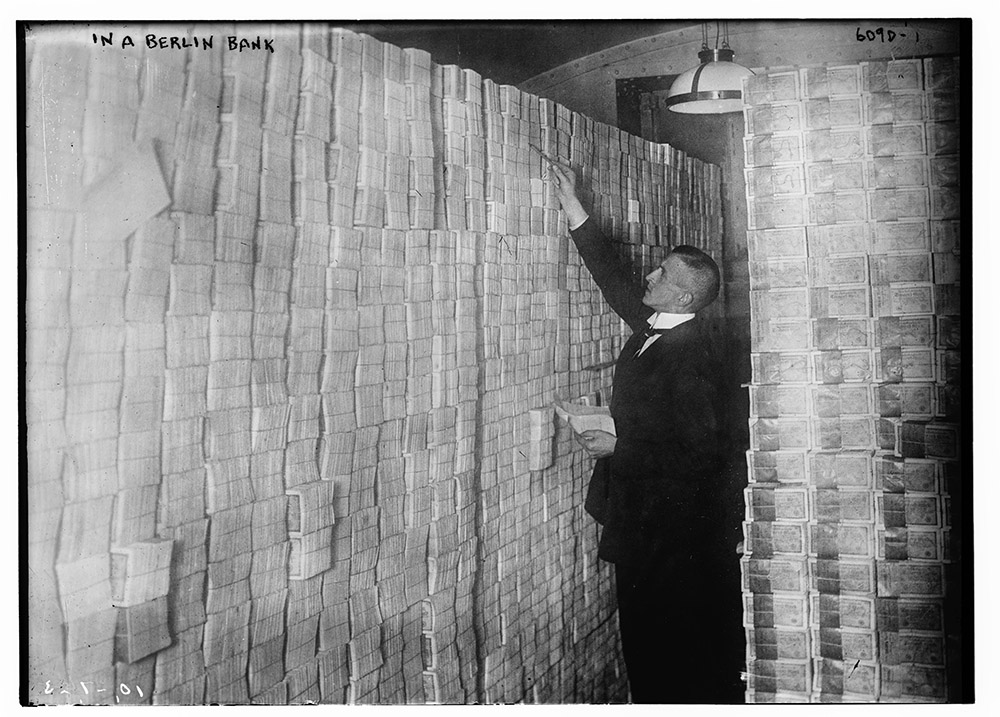
- Interpreting the EvidenceSingle Document Historical Analysis. Choose a primary source from the website or upload your own. Add captions to the primary source. Create analysis questions. Students analyze the document and answer questions based on the analysis.
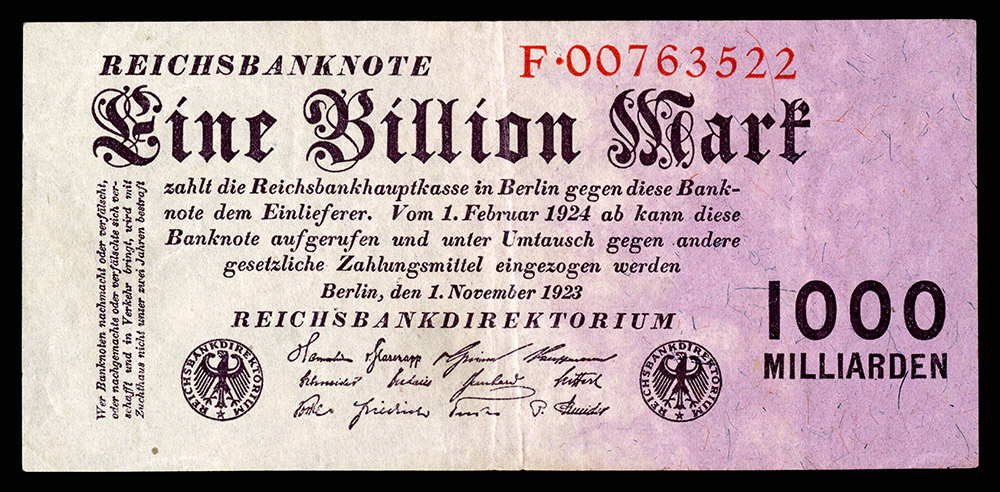
- Comparison and ContextualizationTwo Document Compare and Contrast. Choose primary sources from the website or upload your own. Create analysis questions. Students analyze both documents and answer questions based on the analysis.
- Chronological Reasoning and CausationMultiple document analysis and synthesizing of historical information. Choose primary sources from the website or upload your own and create narratives and questions for each document to help your students draw conclusions and synthesize the information.
- Evaluating the EvidenceMultiple document analysis and evaluation. Choose primary sources from the website or upload your own. Label each side of the scale with a different perspective. Create analysis questions. Students analyze the documents and place each document on one of side the scale based on the author’s perspective.
- Geographic ReasoningMultiple document analysis and geographic reasoning. Choose a map. Choose primary sources from the website or upload your own. Create analysis questions. Students analyze each document and place the document in the correct location on the map.