Skip to content
Teaching the Holocaust and other Genocides

The Dreyfus Affair

The Dreyfus affair was a watershed event in the history of European antisemitism. 

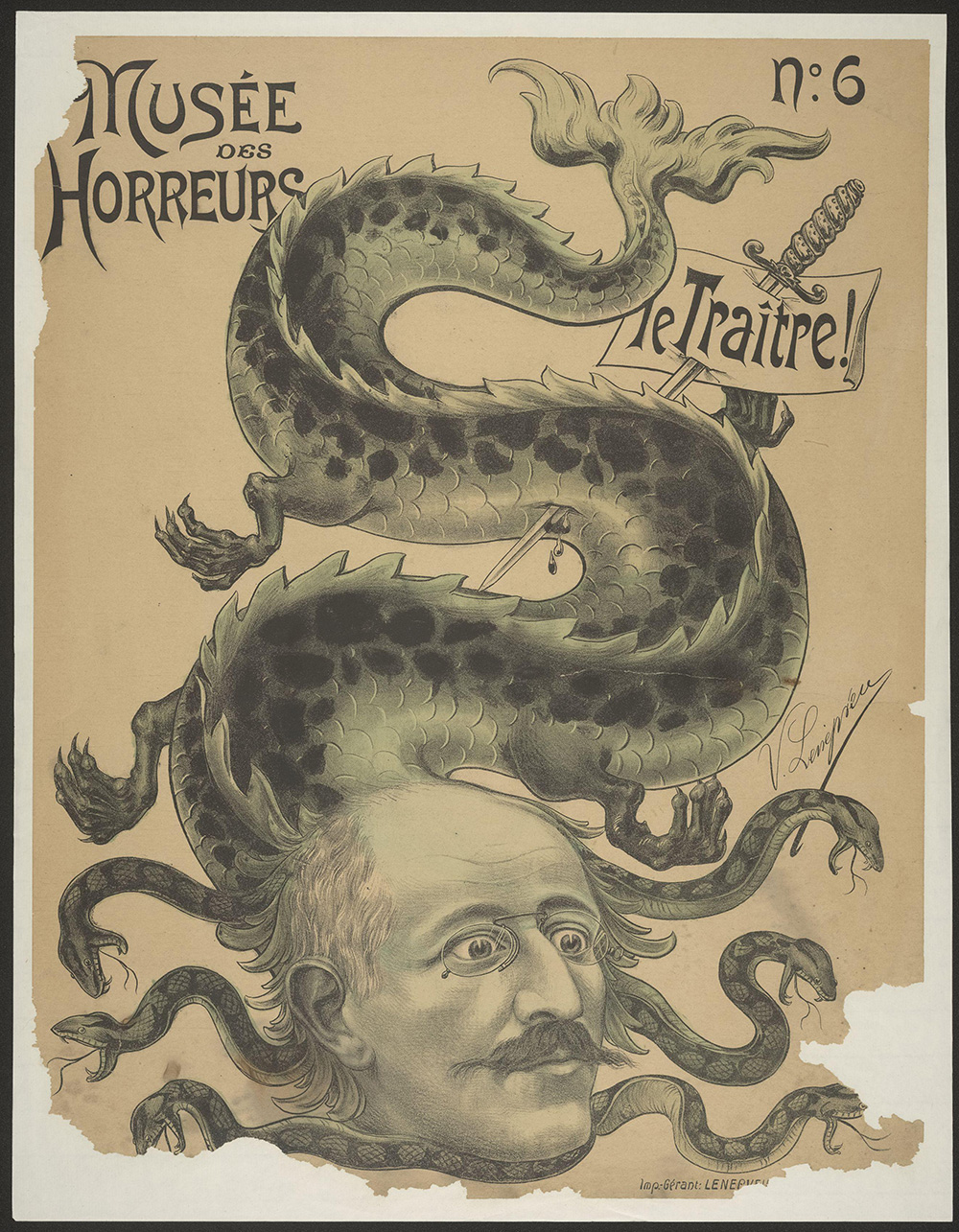
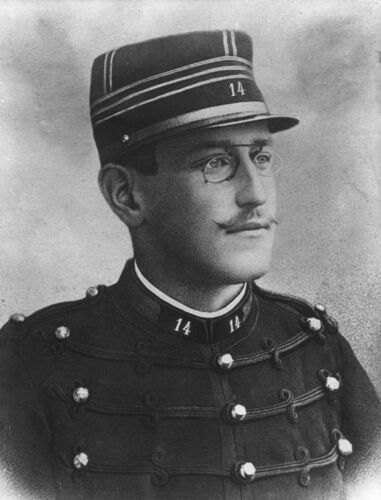
During the French Revolution, France was the first European country to emancipate Jews (1791), guaranteeing them equality to all of its citizens, regardless of their religion. Yet, a century later during the Third Republic in 1894, Captain Alfred Dreyfus, a Jewish officer in the French army, was convicted of treason, allegedly selling French military secrets to the Germans. Dreyfus was from Alsace, a border area that France had ceded to Germany as a result of France's humiliating defeat in Franco-Prussian war in 1870-71. In the charged political environment of strong nationalistic sentiments, the French military sought a scapegoat to explain the espionage. A wealthy, assimilated Jew seemed perfect. Much of the early publicity surrounding the case came from antisemitic groups (especially the newspaper La Libre Parole, edited by Édouard Drumont), for whom Dreyfus symbolized the supposed disloyalty of French Jews. Was Dreyfus really French? Or, perhaps, German? Or, maybe part of an “international Jewish conspiracy”? 

Le Traitre

"Le Traître" [The Traitor], lithograph number 6 of the series "Le Musée des Horreurs"

The antisemitism that characterized the arrest, trial, and retrial of Captain Alfred Dreyfus shocked the assimilated Jews of Western Europe. The fact that the public, including members of the aristocracy and clergy, saw Dreyfus as an outsider seemed to suggest that assimilation was no longer a defense against antisemitism. Even after the real spy was discovered and confessed, the Dreyfus Affair continued for several years. The French populace was divided; the future of the Republic was threatened. One newspaper published an open letter titled “J’Accuse…!” by well-known author Emile Zola in which he defended Dreyfus and accused the military of a major cover-up in the case. Zola was found guilty of libel and fled to Great Britain. In the end, Dreyfus was exonerated, but the impact of the Affair on the lives of European Jews was significant.  

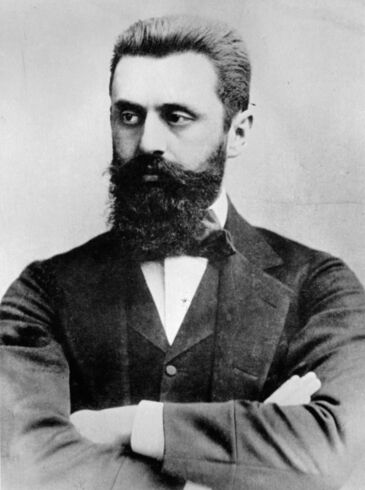
The Dreyfus affair also personally impacted Theodor Herzl, a Jewish journalist reporting on the trial of Dreyfus for a Viennese newspaper, who observed French mobs shouting “Death to the Jews!” Herzl, who was not a religious Jew, concluded that the only solution to the prevailing antisemitism was to establish a Jewish state. He detailed his vision in his book, Der Judenstaat (The Jewish State) in 1896. Herzl is regarded as the father of modern Zionism.

Alfred Dreyfus

Alfred Dreyfus

Theodor Herzl

Theodor Herzl

Discussion Questions 

  1. What is your reaction to the text and the images? 
     
  2. Summarize the Dreyfus Affair. 
     
  3. In what ways was the Dreyfus Affair a setback for Jews? 
     
  4. How did the case affect Theodor Herzl?